Why Shopping at Your Local Nature Store Supports Biodiversity
Recent Trends
Over the past several years, consumer behavior has shifted toward supporting local businesses that emphasize sustainability. Independent nature stores—often carrying native plants, organic seeds, and regionally sourced bird feeders—have seen steady interest. A growing number of patrons cite biodiversity as a key reason for choosing these outlets over big-box garden centers. Retailers report higher demand for pollinator-friendly items and pesticide-free gardening supplies, especially during spring and early summer.

Background
Local nature stores typically stock products that are sourced from nearby nurseries, wildcrafting cooperatives, or family-owned farms. Unlike national chains that prioritize uniformity and cost, these specialty shops often curate selections that work with—not against—local ecosystems. For example:
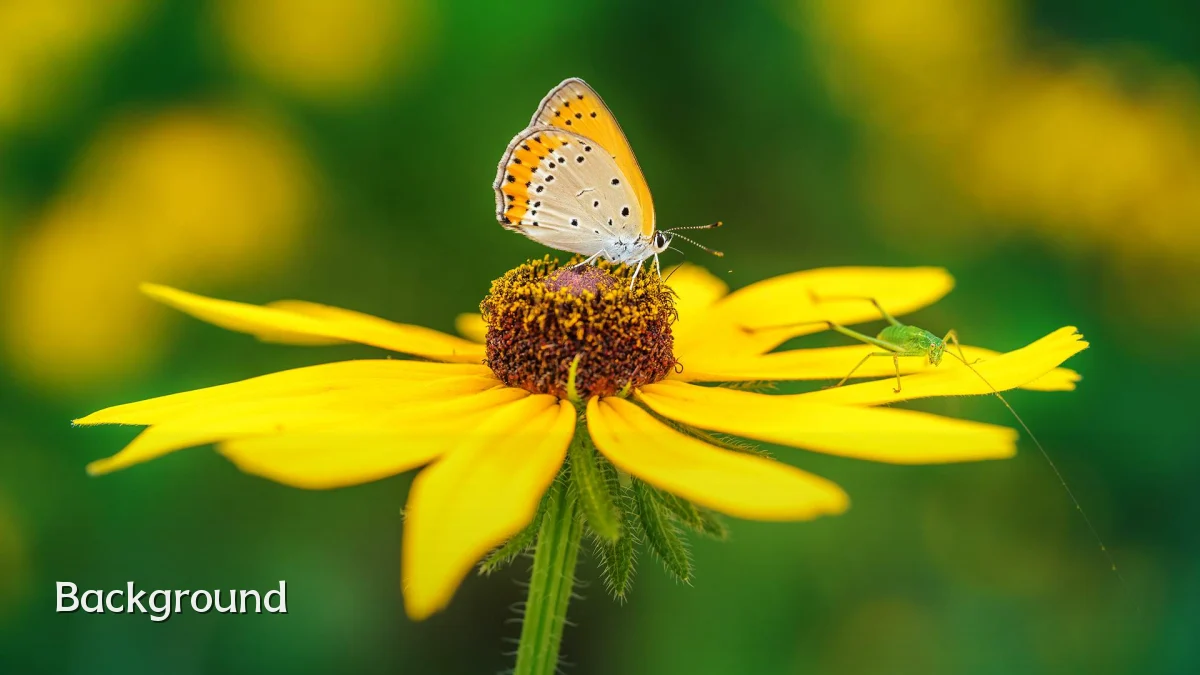
- They sell native wildflower seed mixes that naturally support regional pollinators.
- Many avoid invasive plant species that crowd out native flora.
- Staff are frequently trained in local ecology and can advise on habitat-friendly landscaping.
By keeping supply chains short, these stores reduce the carbon footprint associated with long-distance shipping and plastic packaging. The economic ripple effect also keeps more money circulating within the community, funding conservation efforts indirectly.
User Concerns
Shoppers often worry about price premiums at small retailers compared to large discount chains. While local nature store prices can be 10–20% higher for some items, advocates point out that the true cost of cheap imports—including habitat destruction, pesticide runoff, and invasive species introduction—is often hidden. Other common concerns include:
- Product availability: Limited seasonal stock may require advance planning.
- Knowledge barriers: Not all customers know which native plants suit their yard.
- Greenwashing risk: Some stores may label products “natural” without verifying ecological benefit.
Consumer education and transparent labeling remain ongoing challenges in this niche retail space.
Likely Impact
If local nature stores continue to gain traction, several positive outcomes are plausible:
- Increased genetic diversity in home gardens and urban green spaces.
- Reduced reliance on synthetic fertilizers and broad-spectrum pesticides.
- Stronger local seed banks and plant conservation networks.
- Enhanced public awareness about the role of native species in supporting food webs.
Conversely, if growth outpaces supply capacity, some stores may struggle to maintain consistent quality and authenticity without external certification programs.
What to Watch Next
Looking ahead, two developments could shape the sector. First, more municipalities are adopting “native plant ordinances” that mandate a percentage of public landscaping use indigenous species—this could create steady demand for local nature store inventory. Second, the rise of small-scale seed libraries and plant swaps may complement retail offerings rather than compete. Environmental groups are also pushing for clearer labeling standards around “pollinator-friendly” claims. The extent to which local nature stores can partner with these efforts will determine their long-term influence on biodiversity protection.