A Complete Guide to the Flora and Fauna of Markham Prairie
Recent Trends in Observation and Engagement
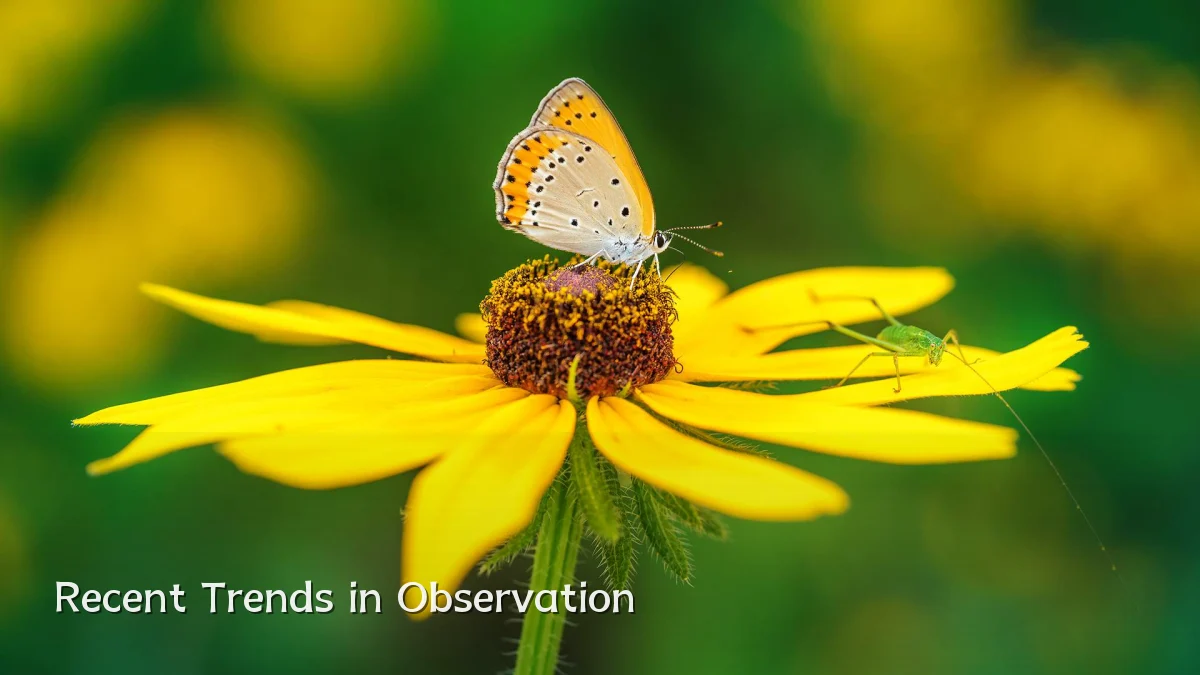
In recent seasons, local naturalist groups and academic researchers have noted a measurable uptick in both formal surveys and casual visitation to Markham Prairie. This renewed interest appears to be driven by broader regional awareness of tallgrass prairie ecosystems and their declining habitat range. Guided walks and citizen-science efforts have expanded, focusing on seasonal bloom calendars and migratory bird stopovers.
- Volunteer monitoring programs have reported more consistent data on early-spring forbs and late-summer grasses.
- Photography and wildlife-watching visits have increased, especially during peak flowering periods.
- A small number of iNaturalist project submissions now track species presence across the site, helping refine local phenology records.
Background: Ecological Context and Historical Stewardship
Markham Prairie occupies a remnant tract of mesic to wet-mesic tallgrass prairie, a community type that has become exceedingly scarce in the region. The site sits on a complex of glacial till and outwash deposits, contributing to subtle variations in soil moisture that support distinct plant assemblages. Over recent decades, stewardship has centered on controlled burns, invasive species removal, and hydrological restoration to mimic natural disturbance regimes.
- Dominant grasses include big bluestem, Indian grass, and prairie cordgrass in wetter zones.
- Notable forbs include shooting star, rattlesnake master, and several species of goldenrod and aster.
- Faunal residents include the Henslow’s sparrow (a grassland indicator species) and the regal fritillary butterfly, which depends on violet host plants.
- Amphibian breeding activity in seasonal pools supports eastern tiger salamander and chorus frogs.
User Concerns: Access, Interpretation, and Conservation Pressure
Regular visitors and nearby residents have raised a consistent set of practical and ecological concerns. Access remains limited to a few designated trails and a public access point; the interior is deliberately left unimproved to minimize disturbance. Questions frequently arise about seasonal closures, trail conditions after rain, and whether certain species can be viewed without damaging sensitive habitat.
- Parking capacity is limited, leading to overflow along the access road during peak weekends.
- Trail surfaces vary from mown grass to unimproved dirt; footwear and timing are key considerations.
- Some visitors worry that increased attention may lead to trampling of rare plants, particularly in orchid-rich patches.
- Confusion persists about rules for off-trail photography and collection of plant material.
Likely Impact: What Current Trends Mean for the Ecosystem
The combination of more frequent human presence and ongoing restoration management carries both opportunities and risks for Markham Prairie’s flora and fauna. Consistent monitoring data can improve burn prescriptions and invasive species targeting. However, higher visitation, even if well-intentioned, may compress soil, disturb nesting birds, and facilitate seed dispersal of non-native plants along trail edges.
- Repeated fire regimes in small management units are likely to maintain structural diversity but may not yet mimic the historical interval of larger, less frequent fires.
- Wetland plant communities near the prairie’s edges appear sensitive to changes in groundwater levels and nearby drainage patterns.
- If observation pressure continues to rise, land managers may need to implement seasonal trail rotations or temporary closures in high-value wildlife areas.
- Increased community investment could support more robust invasive control for species such as reed canary grass and glossy buckthorn.
What to Watch Next: Species Indicators and Management Decisions
In the coming seasons, several specific developments will signal the trajectory of the prairie’s health and the success of adaptive management. Observers and managers alike are watching a handful of key species and logistical decisions as leading indicators.
- Breeding success of Henslow’s sparrow and sedge wren will indicate whether grassland habitat quality is stable or declining.
- Bloom density of showy species such as prairie blazing star and butterfly milkweed may reflect whether pollinator networks remain intact.
- The timing and extent of prescribed burns in the next two years will affect thatch accumulation and woody encroachment.
- Updated signage and potential trail improvements are under discussion; whether they materialize will shape future visitor behavior and site protection.
Markham Prairie remains a living reference for a diminished ecosystem. Its continued value depends on balancing public access with the strict habitat requirements of its resident species.