Hidden Gems of the Illinois Prairie You've Never Heard Of

Recent Trends in Prairie Exploration
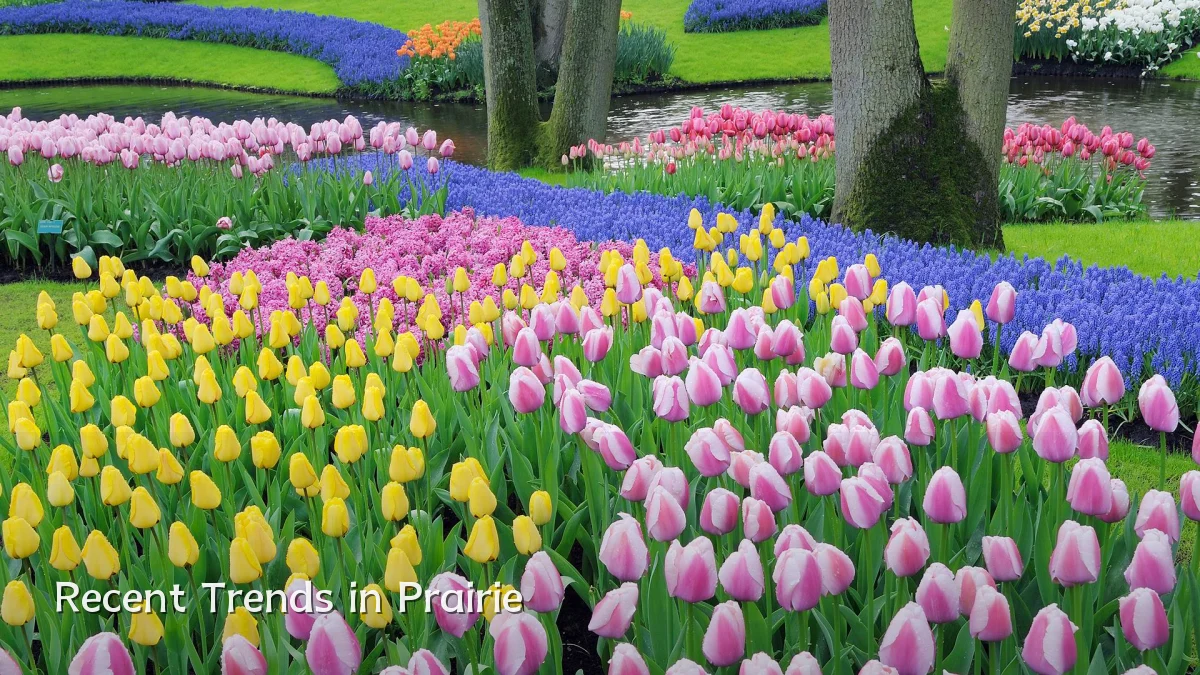
Over the past few years, a growing number of Illinois residents and visitors have turned to local nature blogs and social media groups to discover lesser-known prairie sites. Rather than flocking to well-publicized state parks, enthusiasts are seeking quiet, off‑the‑grid spots that offer solitude and unspoiled grassland views. This shift mirrors a broader national trend toward “slow travel” and micro‑adventures within a short drive from home.
Background: The Illinois Prairie’s Rich Yet Overlooked Heritage
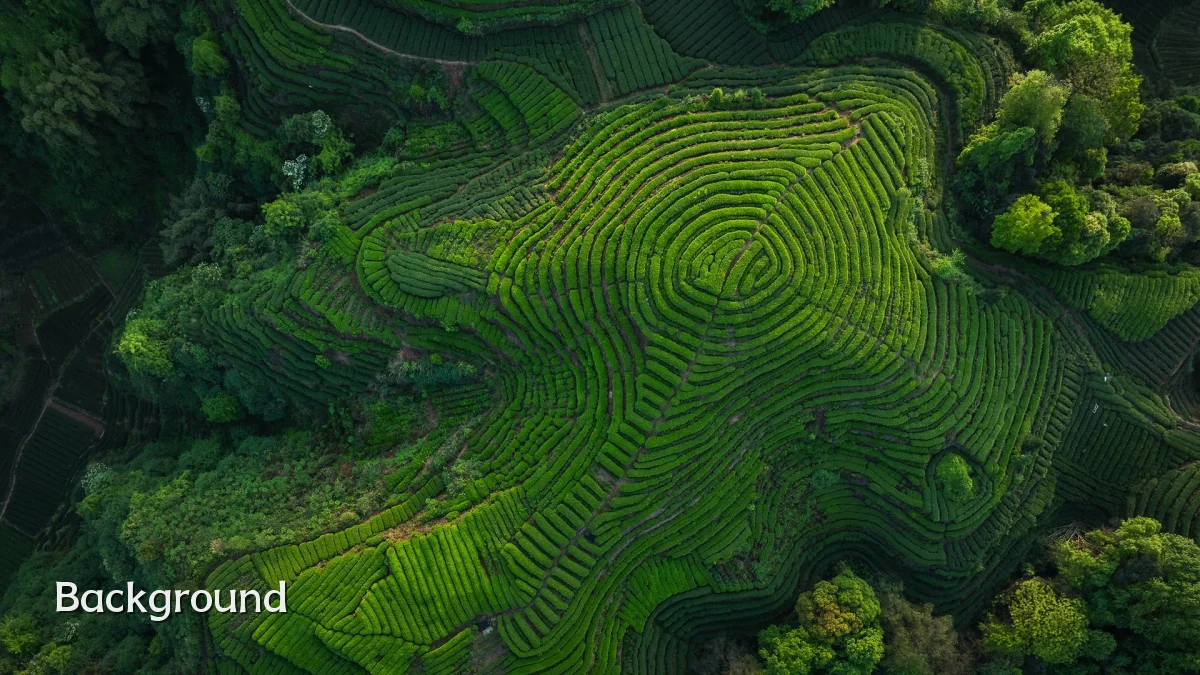
Illinois was once covered by more than 22 million acres of tallgrass prairie. Today, less than one‑tenth of one percent of that original landscape remains, scattered in small preserves, railroad rights‑of‑way, and private conservation areas. Many of these remnants are not widely publicized: they might lack visitor centers, formal trails, or prominent signage. Local “prairie blog” communities have become the primary way to document and share the locations of these hidden fragments—often with careful guidance on how to visit responsibly.
- Preserve diversity: Each remnant may host rare wildflowers, grasses, and butterfly species not found in restored prairies.
- Low‑key access: Many sites are reachable only via gravel roads or short footpaths, keeping crowds small.
- Volunteer‐driven: Stewardship often falls to local naturalist groups rather than state agencies.
User Concerns: Finding, Respecting, and Protecting These Spots
Prairie explorers consistently raise three main concerns when seeking hidden gems. First, location obscurity—many sites do not appear on standard maps, and blog posts may intentionally avoid exact coordinates to prevent trampling. Second, access etiquette—visitors worry about whether the land is public or private, and what activities (hiking, photography, foraging) are permissible. Third, ecological fragility—even a single footstep off a designated path can damage sensitive plants or disturb ground‑nesting birds. Responsible bloggers address these issues by emphasizing “leave no trace” principles and directing readers to contact local land trusts for permission.
Likely Impact: Ecotourism, Education, and Preservation Pressure
The rising popularity of lesser‑known prairie sites is a double‑edged sword. On the positive side, increased visitation can generate local economic benefits (small‑town lodging, guide services, native seed sales) and strengthen public support for prairie protection. A 2023 survey of Illinois natural areas indicated that even small preserves see a 10–15 % increase in annual visits when highlighted by a well‑followed blog. On the downside, heavy unmanaged foot traffic can compact soil, introduce invasive weed seeds, and stress wildlife. Land managers are now experimenting with reservation systems, timed entry, and designated viewing platforms at a handful of the most “discovered” gems.
What to Watch Next
Several developments deserve attention in the coming seasons. Watch for:
- New digital tools: Some prairie blogs are partnering with state natural heritage databases to create filterable, low‑impact maps that show only general regions rather than exact pinpoints.
- Stewardship workshops: Expect more “work and learn” events where volunteers help remove invasive species in exchange for guided tours of hidden sites.
- Private landowner programs: A few Illinois counties are piloting tax incentives for owners who allow limited public access to intact prairie remnants on their property.
- Micro‑funding for markers: Local prairie alliances are crowdfunding for subtle interpretive signs that educate visitors without drawing large crowds.
These trends suggest that the hidden gems of the Illinois prairie will remain discoverable—but only if explorers, bloggers, and land stewards continue to balance access with conservation.