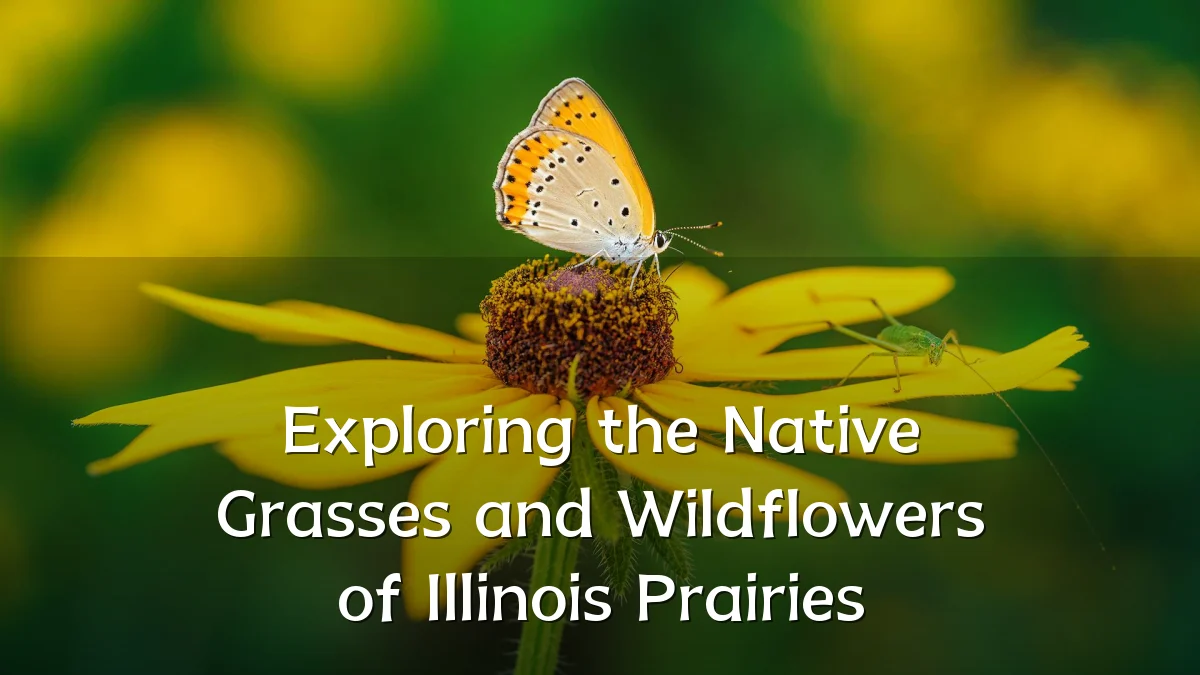
Exploring the Native Grasses and Wildflowers of Illinois Prairies
Recent Trends in Prairie Awareness
Interest in Illinois prairies has grown steadily over the past few years, driven by a broader push for ecological restoration and pollinator-friendly landscaping. Homeowners, conservation groups, and municipal planners are increasingly turning to native grasses and wildflowers as alternatives to traditional turf lawns and ornamental plantings. Seed supplier databases and online native-plant sales have expanded, and local workshops on prairie garden establishment now see consistent attendance. This shift reflects a deeper public awareness of the ecological value of the state’s original grassland ecosystems.
Background: The Historical Prairie Landscape
Before European settlement, tallgrass prairie covered roughly 60 percent of Illinois—a mosaic of deep-rooted grasses and seasonal wildflowers adapted to the region’s climate, fire cycles, and grazing patterns. Large bluestem, Indian grass, and switchgrass dominated the grass layer, while forbs such as purple coneflower, butterfly milkweed, and prairie clover provided color and nectar through spring, summer, and fall. Today, less than one-tenth of 1 percent of that original prairie remains, scattered in small remnants along railroad rights-of-way, old cemeteries, and protected natural areas. This scarcity has elevated the importance of both remnant protection and intentional restoration.

User Concerns When Exploring or Planting Illinois Prairies
- Identification challenges: Many native grasses look similar during early growth, and invasive species like smooth brome or reed canary grass can be mistaken for natives. Beginners often rely on field guides or expert-led walks to differentiate them.
- Establishment difficulty: Prairie seeds require correct soil preparation, timing (typically late fall or early spring), and patience—full flowering may not occur until the second or third season. Weed pressure during initial years is a common frustration.
- Sourcing authentic materials: Not all “native” seed mixes are regionally appropriate. Plants from distant genetic sources may fail to thrive or cross-pollinate with local ecotypes. Buyers are advised to check for Illinois-grown seed and ask for provenance information.
- Maintenance expectations: Prairies need periodic management—prescribed burning, mowing, or spot-treatment of invasives—which can be unfamiliar to property owners accustomed to low-maintenance lawns. Local conservation districts often provide guidance on safe burning protocols.
Likely Impact on Land Use and Biodiversity
If current interest continues, a wider adoption of native prairie species in private yards, roadsides, and urban green spaces could meaningfully expand habitat corridors for pollinators, grassland birds, and beneficial insects. Deep-rooted prairie plants improve stormwater infiltration and reduce runoff, potentially lowering flood risk and improving water quality in nearby streams and rivers. For farmers, integrating prairie strips along field edges has shown utility in reducing soil erosion and supporting natural pest control. On a broader scale, the reestablishment of diverse prairie communities adds resilience to an ecosystem type that has suffered massive historical losses.
What to Watch Next
- Seed mix innovation: Several nurseries and seed cooperatives are developing regionally adapted blends that mimic natural prairie layers—short, medium, and tall grasses paired with early-, mid-, and late-season forbs. Demand for such custom mixes is expected to rise.
- Policy and funding: Some state and county conservation programs are expanding cost-share opportunities for prairie restoration on private land. Watch for updates on the Illinois Conservation Reserve Program and local pollinator-friendly ordinances.
- Community monitoring efforts: Citizen science projects—such as prairie plant phenology tallies or butterfly counts—are growing. Participation can help track how restored prairies change over time and adapt to shifting weather patterns.
- Education resources: Universities and botanical gardens continue to release free guides, webinars, and demonstration plots. New digital identification tools using photo recognition may further reduce barriers for new enthusiasts.