Discover the Best Illinois Prairie Tours for Nature Lovers

Recent Trends in Illinois Prairie Tourism
Interest in native prairie landscapes has grown steadily among both Illinois residents and out-of-state visitors. Over the past few seasons, tour operators have reported increased bookings for guided walks, photography workshops, and seasonal wildflower events. Social media posts featuring prairie grasses, wild indigo, and bird sightings have further fueled curiosity about these unique ecosystems.

Several state parks and nature preserves now offer structured programs that highlight the ecological value of tallgrass and wet prairies. Tour lengths typically range from two hours to full-day excursions, with some operators adding evening astronomy or stargazing components after sunset.
Background: The Illinois Prairie Landscape
Illinois once supported more than 22 million acres of prairie, but less than 0.01% of original prairie remains today. Restoration efforts since the 1970s have created dozens of prairie preserves managed by state agencies, conservation nonprofits, and county forest preserves.
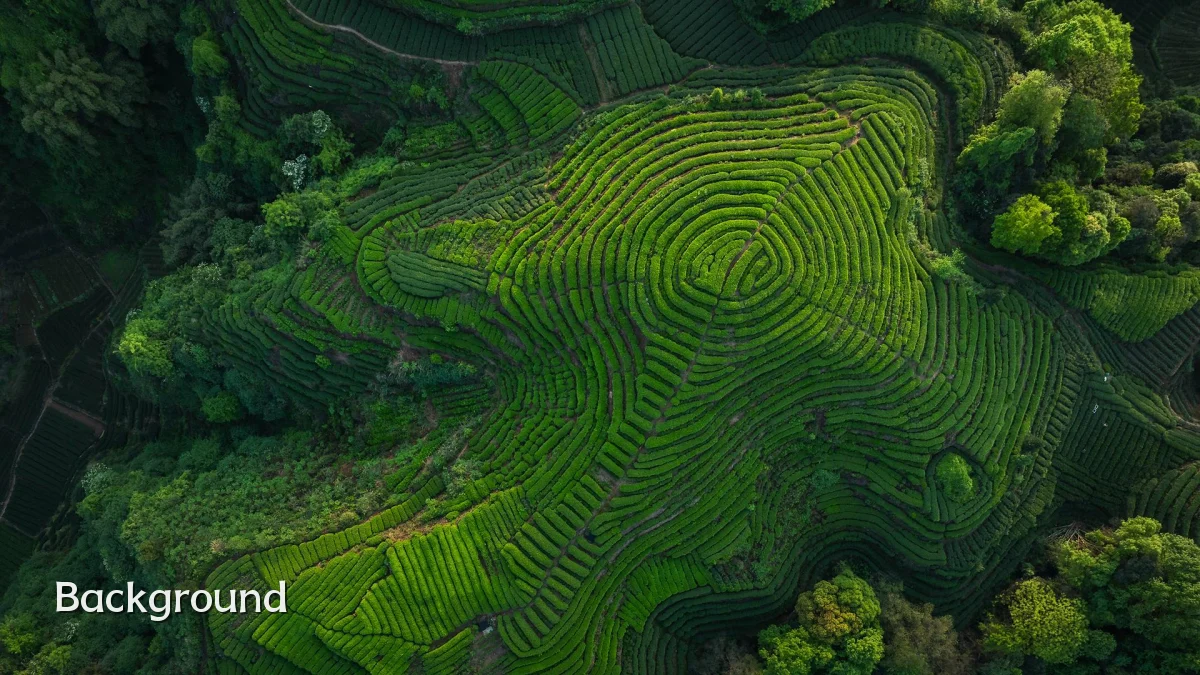
Notable prairie regions include the Grand Prairie in central Illinois, the sand prairies of the Illinois River Valley, and the dolomite prairies in the northeastern part of the state. Tour routes often combine restored prairies with remnant patches, offering visitors a mix of mature ecosystems and newer plantings.
User Concerns When Choosing a Prairie Tour
Nature lovers evaluating tour options commonly weigh the following factors:
- Accessibility – Trail surfaces vary from mowed grass to gravel; confirm whether paths accommodate mobility aids.
- Best viewing times – Peak wildflower bloom occurs from late June through September, but spring and fall offer different wildlife and grass colors.
- Guide expertise – Some tours are led by naturalists, others by volunteers; inquire about knowledge of native plants, birds, and prairie history.
- Group size – Small groups (under 15) often provide a quieter, more intimate experience with better wildlife sightings.
- Weather preparedness – Prairie trails have little shade; sun protection, water, and insect repellent are strongly recommended.
Likely Impact on Local Conservation and Economy
Sustained interest in prairie tours can generate funding for habitat restoration and maintenance. Many preserves rely on entry fees, donation-based programs, or volunteer stewardship days to support controlled burns and invasive species removal.
Local communities near major prairie sites often see modest economic benefits from tour-related spending on lodging, dining, and fuel. Seasonal tourism helps sustain small guide services and nature-focused retailers, though the effect remains localized and dependent on weather and marketing.
What to Watch Next
Several developments may shape prairie touring in the coming seasons:
- New preserve openings – Look for announcements of restored prairies being opened for public access, especially in counties with active land trusts.
- Seasonal and nighttime tours – More operators are adding early-spring birding walks, fall seed-collecting excursions, and guided night hikes to reduce visitor pressure during peak months.
- Digital resources – Self-guided audio tours and mobile apps with plant identification are being piloted at a few sites, expanding options for independent travelers.
- Weather variability – Unpredictable rainfall and drought patterns may shift optimal bloom times, so checking preserve updates a week before a visit is advisable.