Restoring an Illinois Prairie: A Practical Guide for Homeowners
Recent Trends in Homeowner Prairie Restoration
Across Illinois, more homeowners are replacing traditional turf lawns with native prairie plantings. This shift aligns with growing interest in pollinator conservation and reduced water use. Suburban communities have begun updating landscaping ordinances, with several now permitting native plant gardens under specific height and setback conditions. Municipal conservation programs in some counties offer cost-sharing for seed mixes and site preparation, making the transition more accessible.
Background: What Defines an Illinois Prairie
Illinois once held millions of acres of tallgrass prairie, a ecosystem dominated by deep-rooted grasses like big bluestem and Indian grass, alongside forbs such as purple coneflower and butterfly milkweed. These plants evolved with periodic fire and grazing, creating soil that stores carbon and filters water. Modern residential prairie restorations aim to replicate this structure on a smaller scale, using local ecotype seed sources to support regional genetics.
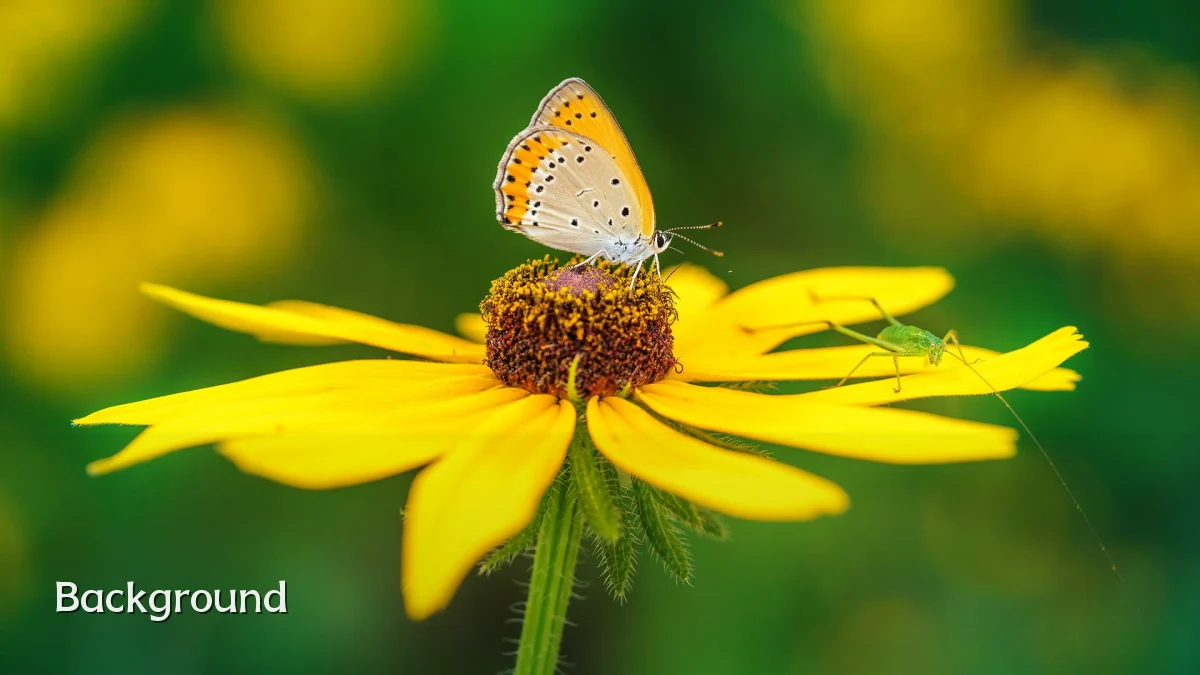
- Key native species: little bluestem, prairie dropseed, black-eyed Susan, and goldenrod
- Common planting methods: plug transplants for quicker establishment or broadcast seeding for larger areas
- Critical first step: eliminating existing turf and aggressive weeds, often through solarization or herbicide application
Common User Concerns
Homeowners considering prairie restoration often express uncertainty about long-term maintenance and neighborhood acceptance. Prairie plants require active management—especially in the first three years—including mowing, spot weeding, and controlled burns. Without this care, plots can become dominated by non-native grasses or woody invasives.
- Cost: Site preparation and seed can range from several hundred to several thousand dollars, depending on lot size and method
- Local rules: Many subdivisions still define a "well-kept" lawn as mowed turf; checking HOA covenants and municipal weed ordinances is essential before planting
- Perception: Dormant brown stalks in winter may be mistaken for neglect—neighbor education or visible signage can help explain the restoration
- Wildlife: Increased insect and rodent activity near homes can be a concern; planting farther from foundations and walkways reduces encounters
Likely Impact on Properties and Communities
Well-executed prairie restorations typically improve local biodiversity, attracting native bees, butterflies, and birds. Stormwater runoff decreases as deep root systems absorb rain more effectively than shallow turf. Property value effects vary: some real estate professionals note increased appeal among environmentally minded buyers, while conventional resale markets may still prefer manicured lawns. Over time, as more homeowners adopt native landscaping, neighborhood aesthetics and norms are expected to shift toward greater acceptance of diverse planting styles.
Early adopters in several Illinois counties report that after two to three growing seasons, prairie plots require less watering, fertilizer, and mowing than conventional lawns—offsetting initial setup costs through reduced annual maintenance.
What to Watch Next
Several developments could influence the practicality of home prairie restoration in the near term:
- State and local policy: Legislation clarifying native landscaping rights and potential property tax incentives for conservation practices
- Seed supply and cost: Availability of affordable, locally adapted seed mixes may expand as more growers enter the market
- Community education programs: Extension offices and conservation districts are developing workshops specific to small-scale prairie management
- Fire management alternatives: Non-burn methods like seasonal mowing and targeted grazing are being refined for residential settings where controlled burns are not feasible