A Beginner's Guide to Habitat Restoration: Steps to Heal Local Ecosystems
Recent Trends in Habitat Restoration
Community-led habitat restoration has gained steady momentum over the past few years, with more local groups and individual landowners taking action. Online platforms and social media channels now share site-specific restoration logs, enabling beginners to follow real-world examples. The “habitat restoration blog” niche has expanded from professional ecologists to include volunteer projects, school programs, and suburban backyard rewilding. Many of these blogs emphasize small, repeatable steps—like removing invasive plant species or building brush piles—rather than large-scale engineering.
Background: Why Restoration Matters
Healthy ecosystems rely on a network of native plants, pollinators, soil organisms, and natural water cycles. When development, agriculture, or invasive species disrupt these relationships, biodiversity declines and the land becomes less resilient to drought, fire, or flood. Habitat restoration aims to return a site to a functional, self-sustaining state, but the process requires patience. Beginners often start on degraded patches—abandoned lots, overgrown field edges, or eroded stream banks—where even modest interventions can spark noticeable recovery over one to three growing seasons.

- Restoration typically begins with site assessment: listing problem species, noting soil condition, and mapping sunlight and water flow.
- Next comes removal of non-native invasives (e.g., garlic mustard, Japanese knotweed) using manual, mechanical, or targeted methods.
- After clearing, planting native species suited to the local climate and soil type helps stabilize the area and attract pollinators.
- Long-term monitoring—often through photo logs or simple species counts—is critical to adjust methods as the ecosystem evolves.
Common Concerns for Beginners
Newcomers frequently worry about making irreversible mistakes or investing time without visible results. One common dilemma is whether to remove all invasives at once or phase the work. Phased removal is generally recommended to avoid sudden soil erosion or a void that allows other invasives to colonize. Another concern is sourcing ethically collected native seeds or plants—local nurseries or certified restoration suppliers are safer than wild-collected material. Questions about legal permissions also arise: public land restoration often requires a permit, while private landowners should check local ordinances regarding water runoff and tree removal.
- Time investment: Expect to spend a few hours per week during peak growing season for a small (quarter-acre) plot.
- Cost range: For a beginner, tools like loppers, gloves, and a few specimen plants can cost under $150; larger fencing or willow stakes may add several hundred.
- Success uncertainty: Natural regeneration can be slow; adaptive management (trying different species or planting times) is normal.
- Knowledge gaps: Free resources from local extension offices, native plant societies, and government conservation agencies can fill most gaps without formal training.
Likely Impact of Early Restoration Efforts
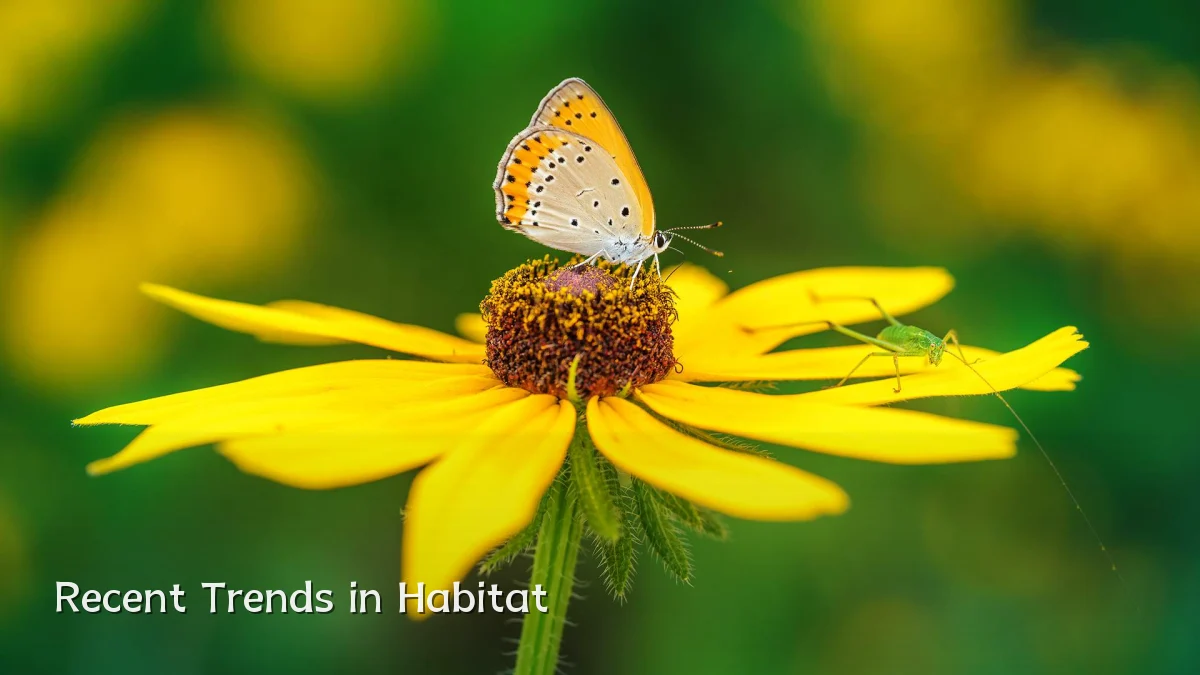
Even small-scale restoration can produce measurable ecological benefits within two to five years. Native vegetation density typically increases, providing food and cover for birds, insects, and small mammals. Soil organic matter often improves as root systems develop, which enhances water infiltration. Streamside projects may see reduced bank erosion and cooler water temperatures due to shading. For beginners, the most visible impact is usually a surge in pollinator activity—native bees, butterflies, and moths reappear as host plants and nectar sources become available. These early wins build confidence and encourage neighbors to join or start similar projects, creating a mosaic of restored patches that collectively strengthen local biodiversity.
What to Watch Next
Several developments are reshaping how beginners approach habitat restoration. Online platforms are making it easier to log observations and share geo-tagged photos, paving the way for more citizen-science data sets. Regional seed banks and “seed libraries” are expanding, reducing costs for small-scale restorers. Climate-adaptive planting guidelines—which recommend shifting species ranges slightly north or to higher elevations—are beginning to appear in beginner guides. Meanwhile, local municipalities are increasingly offering rebates or free plant packs for rain gardens and pollinator patches. Beginners should watch for: updated regional restoration protocols, new funding opportunities through conservation districts, and the growth of online mentor networks that pair novices with experienced restoration bloggers.