How to Start a Family Habitat Restoration Project in Your Backyard
Recent Trends in Home-Based Conservation
Over the past several years, a growing number of families have shifted from passive gardening to active habitat restoration on their own properties. This trend has been driven by increased awareness of pollinator decline, urban biodiversity loss, and the desire for meaningful outdoor activities that involve all ages. Online platforms, local extension programs, and neighborhood groups have made it easier than ever for households to access restoration guides, native plant resources, and citizen science projects.
Background: From Lawn to Living Ecosystem
The concept of backyard habitat restoration is not new, but it has gained traction as suburban lawns—often dominated by non-native turfgrass—cover a significant portion of residential land in many regions. Ecological research has long shown that replacing even small sections of lawn with native plants can support local birds, beneficial insects, and soil health. What has changed is the availability of starter kits, site-specific plant lists, and low-cost seed mixes tailored to different climates and soil types.

- Native plants require less water and fertilizer once established, reducing long-term maintenance needs.
- Young children can participate in simple tasks like seed ball making, watering, and observing wildlife.
- Many local conservation districts offer free or low-cost native plant sales and workshops for families.
User Concerns: Practical Barriers Families Face
Families considering a backyard restoration project often cite several common concerns. Time constraints, uncertainty about which plants to choose, and fear of creating a space that looks unkempt are frequent worries. Others are unsure how to balance habitat goals with play areas, pets, or neighborhood appearance standards.
- Time commitment: A phased approach—starting with a small bed or a single corner of the yard—can make the project manageable.
- Plant selection: Choosing species that are native to the specific ecoregion and match the yard’s sun and moisture conditions improves success.
- Aesthetic concerns: Mixing native plants with traditional garden structure, such as defined borders or paths, can create a tidy yet ecologically functional look.
- HOA or local rules: Checking any neighborhood covenants or municipal ordinances before planting helps avoid conflicts.
Likely Impact: Ecological and Family Benefits
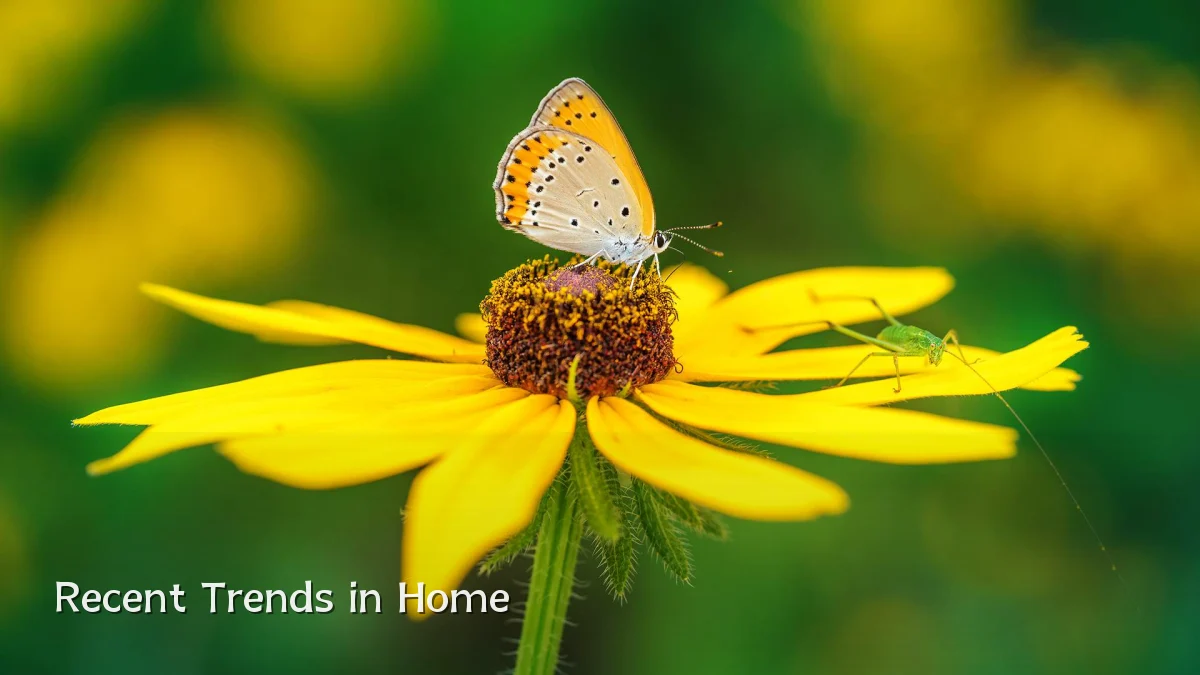
When families restore even a modest portion of their backyard to native habitat, the effects can be measurable. Pollinators, including bees and butterflies, may appear within the first growing season. Birds that rely on native insects for food often follow soon after. For family members, the project offers recurring opportunities to observe seasonal changes, track species visits, and develop a hands-on understanding of local ecology.
Over a period of one to three years, the restored area typically requires less watering and fewer inputs than a traditional lawn. The cost of initial native plants or seeds varies widely by region and scale, but many families report that the expense is comparable to a single season of annual flower bedding.
What to Watch Next: Emerging Resources and Community Models
Several developments could make family habitat restoration easier and more widespread in the coming years. Look for increased availability of regionally specific native seed blends sold in small, family-sized quantities. Watch for local “yard habitat” certification programs that provide guidance and recognition without strict one-size-fits-all rules. Also keep an eye on community seed libraries and tool-sharing networks, which can lower the barrier for first-time projects.
As more families share their experiences on social media and through neighborhood groups, peer-to-peer advice is likely to play a growing role. Municipal policies that allow or even encourage native landscaping on residential properties may also expand, reducing one of the common barriers mentioned by homeowners.