How to Get Involved in Local Habitat Restoration: A Beginner's Guide

Recent Trends in Community-Led Restoration
Over the past several years, local habitat restoration has shifted from a niche activity to a widely accessible form of environmental stewardship. Municipalities, nonprofits, and land trusts increasingly offer structured volunteer programs that require no prior experience. Digital platforms now help residents identify nearby projects, track their hours, and connect with restoration leaders. Many programs also provide free training on invasive species removal, native planting, and site monitoring.
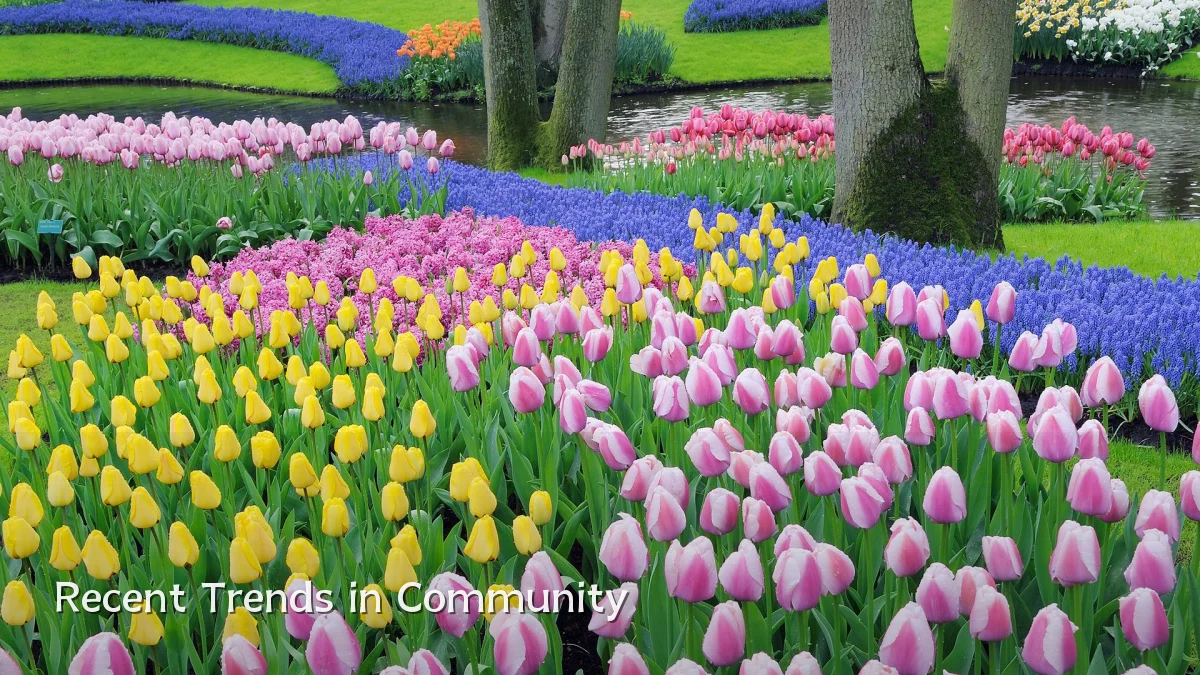
- Expansion of “rewilding” initiatives in urban parks and greenways
- Growth in corporate and school-sponsored volunteer days
- Rise of citizen science tools for data collection (e.g., iNaturalist)
- Increased public funding for watershed and pollinator habitat projects
Background: Why Habitats Need Restoration
Local ecosystems face ongoing pressure from development, invasive species, pollution, and changing climate conditions. In many areas, native plant communities have been replaced by non‑native monocultures, reducing food and shelter for wildlife. Stream banks often lack stabilizing vegetation, contributing to erosion and water quality decline. Restoration work—such as planting native trees, removing invasive plants, and installing rain gardens—aims to reverse these trends and rebuild ecological function over time.

Common Concerns for Beginners
Many newcomers worry about needing specialized skills or significant time commitments. In practice, most projects are designed for volunteers of all abilities. Tasks range from simple litter cleanup and mulch spreading to assisted plantings and seed collection. The key is choosing a project that matches your comfort level and schedule. Some groups require registration and a brief orientation, while others welcome drop‑in participation.
- Finding projects: Check local parks department websites, conservation district calendars, or apps like Meetup and VolunteerMatch.
- What to expect: Physical outdoor work, often in variable weather; tools are usually provided. Dress in sturdy shoes, long pants, and bring water.
- Safety: Organizers typically cover safety briefings, tool handling, and awareness of hazards like poison ivy or ticks.
- Time commitment: Many events last 2–4 hours; others run seasonally on a weekly basis.
Likely Impact of Widespread Participation
When more people engage in local restoration, the cumulative effect can be significant. Repeated removal of invasive species prevents seed bank buildup, allowing native plants to rebound. Increased native cover improves habitat corridors for pollinators and birds. Restored wetlands and riparian zones can reduce flood risk and filter runoff. On a personal level, participants often report a stronger connection to place and a sense of tangible contribution to local environmental health. Long‑term monitoring by organizations suggests that even small, regular volunteer efforts measurably improve biodiversity metrics over several years.
What to Watch Next
Several developments may shape the future of local restoration involvement. Municipalities are exploring “green job” training programs that certify volunteers in ecological restoration techniques. New mobile apps aim to standardize data collection across projects, making it easier to measure impact. Some regions are experimenting with property tax incentives or reduced permit fees for landowners who restore native habitat. Additionally, more schools are integrating restoration into science curricula, potentially building a pipeline of engaged participants. Beginners should keep an eye on local master naturalist or watershed steward programs for deeper training opportunities.