The Ultimate Guide to Prairie Plant Species: A Comprehensive Review

Recent Trends
Interest in prairie plant species has grown markedly over the past several years, driven by a convergence of ecological awareness and landscaping shifts. Native-plant gardening, pollinator conservation programs, and large-scale prairie restoration projects have all contributed to a surge in demand for seed mixes and live plants. Meanwhile, online databases and community science platforms have made identification and sourcing more accessible than ever.

- Rising consumer interest in low-maintenance, drought-tolerant landscaping has increased sales of prairie species such as little bluestem, purple coneflower, and butterfly milkweed.
- Several regional seed banks and botanical gardens report a 20–40% year-over-year increase in requests for prairie-plant guidance.
- Soil health initiatives and carbon-sequestration programs are incorporating prairie grasses on marginal agricultural land, expanding the market beyond residential gardening.
Background
Prairie ecosystems once covered vast stretches of North America’s interior, supporting hundreds of grass and forb species adapted to periodic fire, grazing, and variable rainfall. Over the last two centuries, conversion to row crops and urban development reduced these grasslands to isolated fragments. Conservation efforts began in earnest in the mid‑20th century, but only recently has a broad public audience embraced prairie plants as both ecologically vital and aesthetically viable.
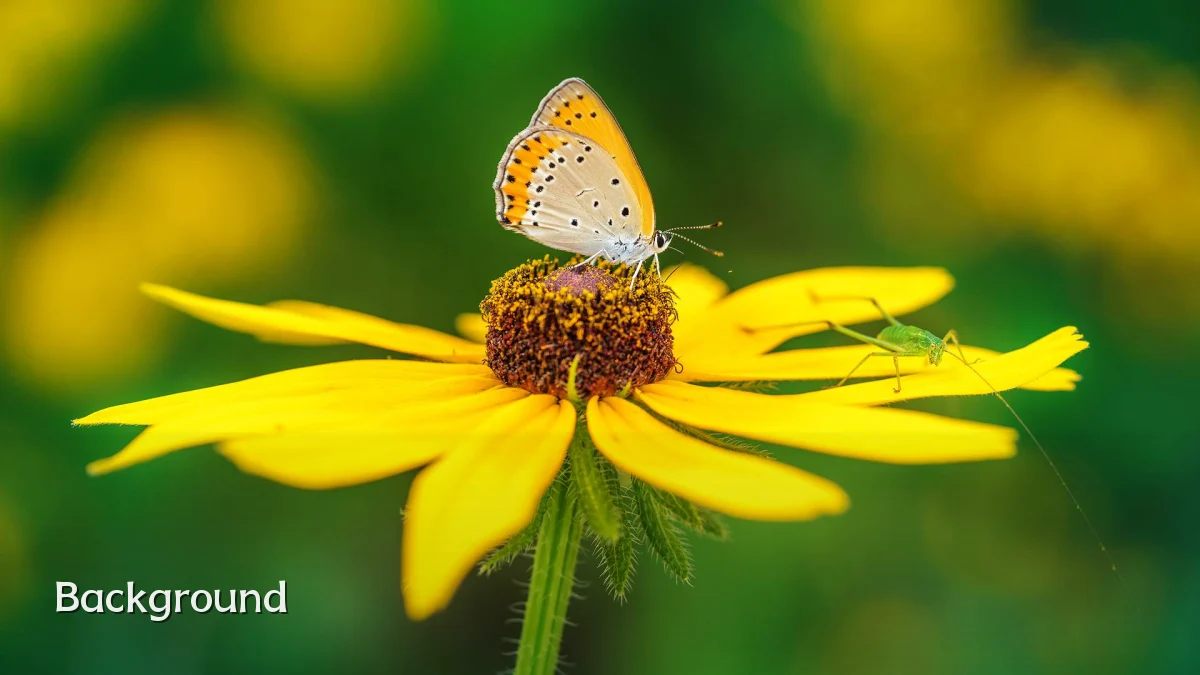
Key botanical families in the prairie palette include:
- Warm-season grasses (e.g., switchgrass, big bluestem, Indiangrass) – deep-rooted, fire-tolerant, and critical for soil structure.
- Composite wildflowers (e.g., black-eyed Susan, goldenrod, aster) – provide nectar and seed resources across multiple seasons.
- Legumes (e.g., purple prairie clover, leadplant) – fix nitrogen and support specialist pollinators.
- Forbs with medicinal or cultural uses (e.g., echinacea, yarrow, sage) – often included in ethnobotanical collections.
User Concerns
First-time and intermediate growers encounter several consistent challenges when working with prairie species. The most often cited hurdles include:
- Establishment difficulty – Many prairie plants require a cold-moist stratification period or specific scarification; failure rates can be 40–60% without proper pretreatment.
- Weed competition – Aggressive non-native grasses and broadleaf weeds often outcompete slow-starting prairie seedlings in the first two growing seasons.
- Time to maturity – Unlike conventional garden perennials, some prairie species may not flower until their third year, leading to impatience or misidentification.
- Seed sourcing reliability – Claims of “local ecotype” seeds are not always verifiable, and genetic provenance can affect survival rates in specific climates.
- Maintenance misconceptions – Prairie plots often require periodic prescribed burning or strategic mowing, which is unfamiliar to many homeowners.
Likely Impact
The sustained interest in prairie plant species is likely to influence several sectors in the near to medium term:
- Retail nurseries and seed houses – Expect broader catalogs, with more regional seed blends and starter-plant plugs tailored to local ecoregions.
- Municipal landscaping – More parks, road verges, and stormwater basins may incorporate prairie mixes, reducing mowing costs and runoff volumes.
- Agricultural policy – Conservation programs (e.g., those administered by USDA) could increase incentives for prairie strips and pollinator habitat on working lands.
- Pollinator health – Larger and better-connected prairie patches may help stabilize populations of monarch butterflies, native bumblebees, and other species that rely on uninterrupted bloom sequences.
What to Watch Next
Several developing dynamics will shape how prairie plant species are reviewed, sold, and planted over the next few years.
- Seed technology innovations – Advances in precision seeding, pelletization, and microbial coatings may reduce establishment failure and lower upfront costs for large-scale projects.
- Climate shift adaptations – As temperature and precipitation patterns change, researchers will likely release new recommendations for seed mixes that include more southern or northern genotypes to maintain resilience.
- Consumer education platforms – Expect more detailed online guides and decision-support tools that help users match species to soil type, moisture regime, and sun exposure.
- Policy and funding updates – Federal and state conservation budgets, along with carbon‑credit markets, could expand the financial feasibility of prairie restoration on private land.