Exploring Prairie Plants: A Student's Guide to the Grasslands

Recent Trends in Prairie Plant Education
Over the past few years, educators and conservation groups have shifted toward hands-on, outdoor learning modules that bring prairie ecosystems directly into student curricula. Field trips to restored prairies, schoolyard planting projects, and virtual mapping tools now complement traditional textbook descriptions. Many schools are integrating prairie plant identification into biology and environmental science units, emphasizing the ecological services these native species provide—such as deep root systems that prevent erosion and support pollinators.
Background: The Prairie as a Living Classroom
Prairie plants—grasses like big bluestem and flowering forbs like purple coneflower—once covered vast stretches of North America. Today less than 4% of original tallgrass prairie remains, making it one of the most endangered ecosystems on the continent. For students, studying these plants offers a tangible connection to local biodiversity and land-use history. Typical student guides cover:

- Key plant families: grasses (Poaceae), daisies (Asteraceae), and legumes (Fabaceae).
- Seasonal changes: spring ephemerals, summer blooms, and autumn seed heads.
- Adaptations: deep root systems, fire tolerance, and drought resistance.
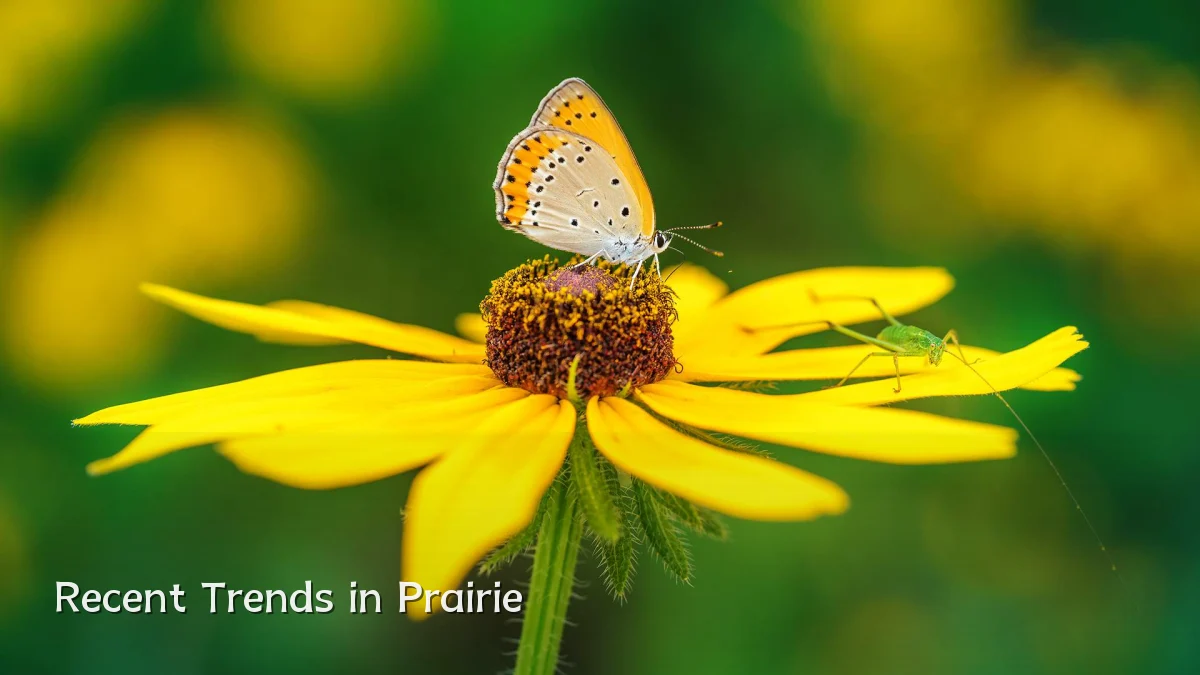
- Common species: switchgrass, indiangrass, black-eyed Susan, and prairie clover.
User Concerns: Access, Safety, and Accuracy
Students and educators raising questions about prairie plant study often point to several practical hurdles:
- Access to intact prairie remnants or restoration sites may be limited, especially in urban areas. Many rely on local nature preserves or botanical gardens.
- Identification challenges: similar-looking grass species require careful observation of ligules, inflorescence shape, and leaf texture. Field guides or apps help but need consistent calibration.
- Seasonal constraints: optimal observation windows range from late spring through early fall, with peak flowering in mid-summer.
- Safety considerations: students must be guided to avoid poison ivy, ticks, and sun exposure during field sessions.
- Misinformation online: some sources conflate prairie plants with invasive species or non-native ornamentals, so educators recommend cross-referencing with local extension services or university herbarium databases.
Likely Impact on Student Learning and Conservation
When students engage directly with prairie plants, measurable outcomes tend to emerge:
- Improved ecological literacy: understanding of food webs, soil structure, and pollination networks.
- Increased interest in STEM fields: plant taxonomy, environmental monitoring, and restoration ecology become accessible entry points.
- Behavioral shifts: students often advocate for native plantings at home or school after hands-on exposure.
- Strengthened observational skills: journaling and sketching species helps develop patience and scientific attention to detail.
- Community connections: partnerships with local conservation districts or master naturalists expand learning beyond the classroom.
What to Watch Next
Keep an eye on several developments that may shape how students explore prairie plants in the coming years:
- Expansion of citizen-science platforms (e.g., iNaturalist) tailored to school projects that track prairie phenology.
- Curriculum inserts from state or provincial educational standards that explicitly require grassland ecosystem study.
- Grants for school prairie gardens, including seed mixes designed to attract monarch butterflies and other at-risk pollinators.
- Updates to field identification apps that integrate machine learning for hard-to-distinguish grass species.
- Increased availability of virtual prairie tours and time-lapse videos for classrooms without local field access.