Top 10 Prairie Plants for a Low-Maintenance Garden
Recent Trends
Over the past several growing seasons, home gardeners and landscape professionals have increasingly shifted toward native prairie species. The driving factors include prolonged drought conditions across many regions, rising water costs, and a growing awareness of pollinator decline. Social media feeds and garden-center displays now feature robust perennials such as coneflower, little bluestem, and butterfly milkweed as alternatives to traditional high-maintenance lawns and ornamental beds.
Background
Prairie plants evolved in harsh, variable climates — deep-rooted grasses and forbs adapted to periodic fire, grazing, and heavy clay or sandy soils. Their root systems can extend six feet or more, improving soil structure, reducing runoff, and making them naturally drought-tolerant. Many species emerge late in spring, conserving moisture and delaying the need for supplemental irrigation. This resiliency forms the basis for their low-maintenance reputation.
User Concerns
New growers often worry about an unkempt appearance during establishment. Prairie plants can look sparse in the first year while roots develop, leading some to overwater or overweed. Another common concern is seed-head cleanup — some species self-seed aggressively in small beds. Additionally, local codes or homeowners’ associations may have restrictions on tall grasses beyond a certain height. The following criteria can help select suitable species for typical garden conditions:
- Soil adaptability: Choose plants that match your existing soil type (clay, loam, sand) to minimize amendments.
- Mature height: For compact spaces, use species that stay under three feet (e.g., prairie dropseed, leadplant).
- Spread habit: Clump-forming species (blazing star, purple coneflower) require less division than runners.
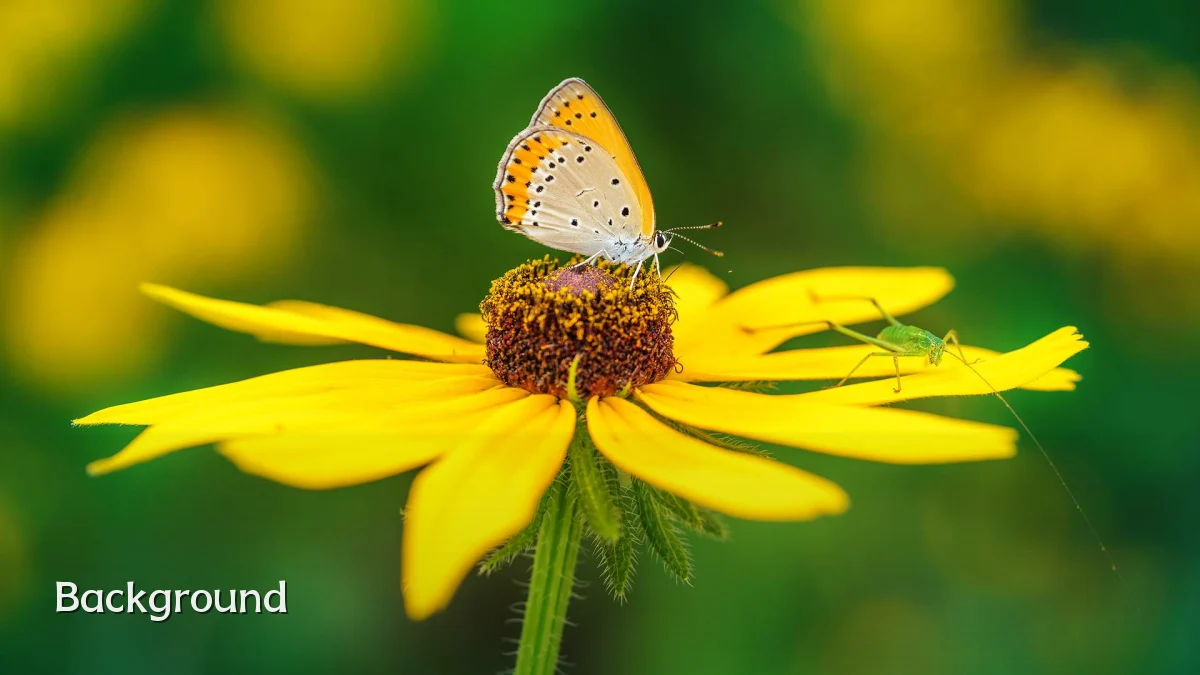
- Bloom season: Combine early (penstemon), mid (black-eyed Susan), and late (asters) to extend visual interest.
Likely Impact
Adopting prairie plants reduces outdoor water use by an estimated 40–60% compared to typical turf or annual beds after the first year. Pollinator visits often increase noticeably, with a single clump of milkweed attracting multiple monarchs during migration. Less frequent mowing and fewer fertilizer inputs lower long-term maintenance costs. On a neighborhood scale, clusters of prairie gardens improve local stormwater infiltration and create corridors for beneficial insects.
What to Watch Next
Look for new seed mixes and cultivar releases bred specifically for smaller gardens — compact forms of big bluestem and switchgrass are already appearing in specialty catalogs. Municipalities in several states are piloting “rain garden” and “prairie yard” incentive programs, which may expand eligibility in the coming seasons. As climate zones continue to shift, watch for expanded recommendations for southern species (e.g., purple prairie clover) moving northward. Also note that planting spring-blooming prairie bulbs like wild hyacinth can fill early gaps before perennials emerge, a trend gaining traction among naturalistic designers.