Local Prairie Plants That Will Transform Your Garden into a Pollinator Paradise
Recent Trends in Prairie Planting
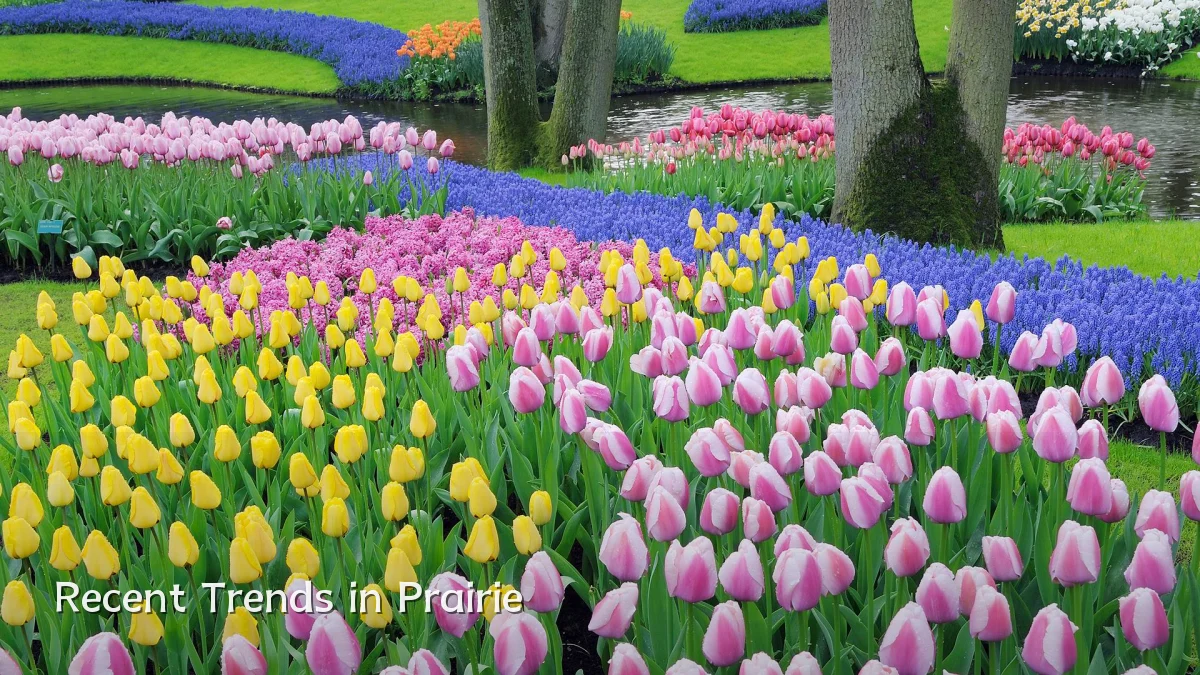
Home gardeners and landscapers have increasingly turned to native prairie species over the past several seasons. This shift aligns with broader environmental awareness—particularly concerns about pollinator habitat loss and water conservation. Social media and regional gardening groups now frequently feature prairie plantings, while local nurseries report steady demand for species such as milkweed, coneflower, and little bluestem. Municipalities in several states have also begun allowing or encouraging prairie-style front yards through updated zoning or voluntary programs.
Background: Why Local Prairie Plants Matter
Prairie plants native to a specific region evolved alongside local pollinators. Their deep root systems—often reaching several feet—help them survive drought and improve soil structure. In contrast, many ornamental exotics provide little nectar or larval host material. Key ecological roles include:

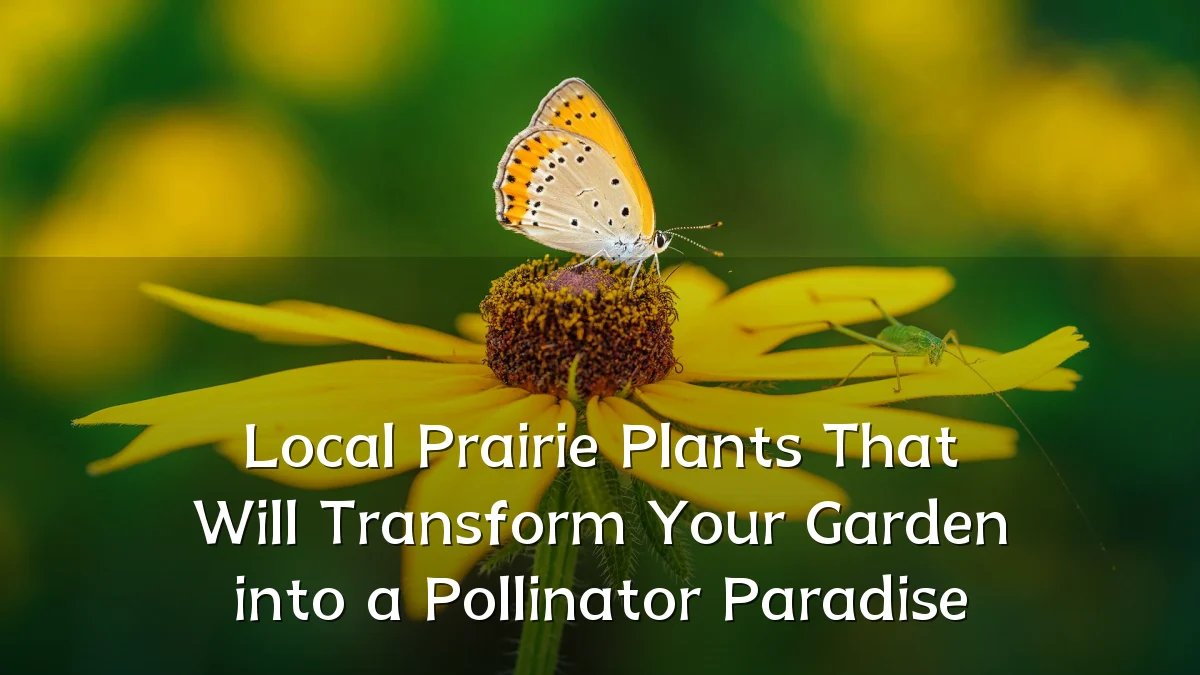
- Season-long bloom succession: Early spring flowers (e.g., prairie smoke) give way to summer staples (e.g., black-eyed Susan) and late-season goldenrods, ensuring food from frost to frost.
- Host plant specialization: Monarchs require milkweed; many specialist bees rely on specific prairie genera such as Solidago or Silphium.
- Minimal inputs: Once established, local prairie plants need little watering or fertilizing, reducing runoff and maintenance.
Common Gardener Concerns and Considerations
Adopting a prairie-style garden raises practical questions. Below are typical worries and realistic mitigations:
- Visual messiness: Prairie plants can look untidy in winter. Solution: leave stems for insect habitat, cut back in early spring, or integrate a formal edge.
- Establishment time: Many species take two to three years to flower and compete with weeds. Use annual nurse crops or start with plugs rather than seed.
- Neighbor relations: Unfamiliar looks may draw complaints. Educate neighbors with a sign or share bloom photos; many homeowners’ associations now accommodate naturalized beds.
- Fire risk in dry seasons: Dried grass can be flammable. Maintain a buffer zone near structures, keep a mowed strip, and water during extreme drought if conditions allow.
Likely Impact on Gardens and Ecosystems
Where prairie plantings are established, early reports indicate measurable increases in bee and butterfly visits—often within one growing season. Bird activity also rises as seed heads and insects become available. Gardeners typically note fewer pest outbreaks, as native predators find habitat. Over several years, soil health improves, and water runoff decreases. The aesthetic evolves from manicured to dynamic, with textures and colors shifting weekly. While not a monoculture solution, prairie gardens create resilient microhabitats in urban and suburban settings.
What to Watch Next
Several developments could shape the availability and adoption of local prairie plants in the near future:
- Seed and plant supply chains: Expect more regional seed mixes and co-op ordering as demand grows; shortages of certain wild-type species have occurred in peak seasons.
- Municipal policies: Look for cities updating weed ordinances or offering rebates for native plantings. Some municipalities are piloting roadside prairie strips.
- Community seed swaps and workshops: Local conservation districts and extension offices increasingly host events focused on prairie restoration for home lots.
- Climate adaptation research: Ongoing studies on which prairie genotypes tolerate hotter summers and wetter springs will guide species selection.