Must-Know Prairie Plants for a Stunning Native Garden

Homeowners and landscape designers are increasingly turning to native prairie species for their resilient beauty and ecological benefits. Among these, what some experts call the detailed prairie plant—a species with intricate floral structure, fine-textured foliage, or layered bloom patterns—has become a focal point for those seeking both visual complexity and low-maintenance performance.
Recent Trends
Interest in native gardening has accelerated over the past few growing seasons, driven by drought concerns, pollinator declines, and a broader cultural shift toward rewilding. Key developments include:
- Expansion of municipal and homeowner-association guidelines that allow—or encourage—native plantings in lieu of traditional turf.
- Increased nursery availability of regionally adapted prairie species, with detailed prairie plant varieties often highlighted for their extended bloom times and architectural appeal.
- Social media and garden-tour showcases where layered, meadow-like designs contrast with conventional border gardens, fueling demand for plants like purple coneflower, butterfly milkweed, and little bluestem.
Background
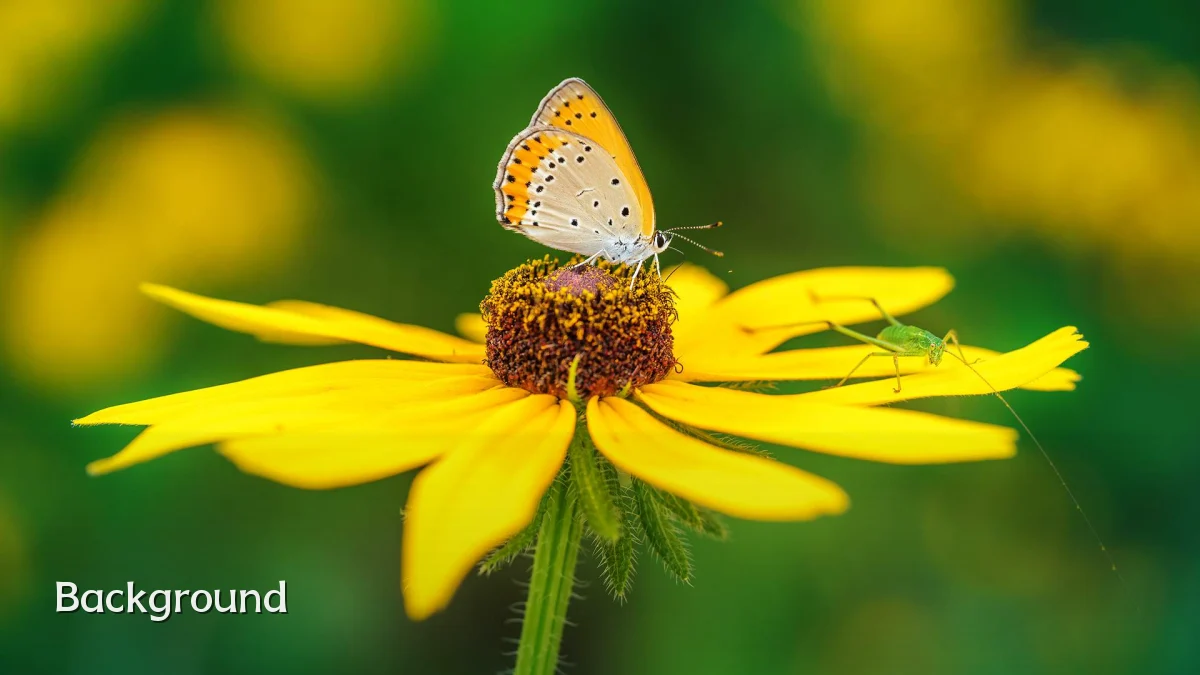
Prairie ecosystems once spanned millions of acres across North America, dominated by grasses and forbs that co-evolved with fire, grazing, and variable rainfall. In cultivation, these plants offer inherent drought tolerance, deep root systems, and high habitat value. A detailed prairie plant typically refers to species with notably intricate inflorescences—such as rattlesnake master’s spherical blossoms or prairie blazing star’s dense spikes—that add texture and seasonal rhythm to designed landscapes. Many of these have been cultivated for decades in botanical gardens and conservation plantings, but only recently have they entered mainstream retail.
User Concerns
Gardeners considering prairie plants often face practical hurdles. Common questions and considerations include:
- Establishment timeline: Many prairie species require two to three growing seasons to reach full visual impact, which can deter those expecting immediate results.
- Weed competition: Bare soil during the first year often invites invasive weeds; mulching and strategic companion planting are necessary but not always straightforward.
- Design integration: The informal, upright habit of many detailed prairie plants can clash with formal garden layouts. Users must plan for height variation, seasonal dieback, and winter interest.
- Deer and pest pressure: While many prairie natives are unpalatable, others (e.g., coneflower) are occasionally browsed, requiring fencing or repellents in high-pressure areas.
- Maintenance misconceptions: “No maintenance” is a myth—annual cutting back, division, and occasional watering during extreme drought are still required.
Likely Impact
The broader adoption of detailed prairie plants is expected to influence both local ecosystems and garden aesthetics in measurable ways:
- Biodiversity support: Species with complex flower structures (composite heads, dense racemes) provide nectar and pollen for specialist bees, butterflies, and beneficial insects over a longer season than most exotic ornamentals.
- Water conservation: Deep-rooted prairie plants reduce runoff and irrigation needs, especially when grouped in well-matched soil and sun conditions.
- Garden performance: The textural contrasts between fine foliage (e.g., sideoats grama) and bold blooms (e.g., compass plant) create visual depth that persists from spring through winter dormancy.
- Economic ripple: As demand grows, more native-plant nurseries and seed suppliers are expanding their inventories, reducing prices and improving access for homeowners.
What to Watch Next
Several developments could shape the future of prairie plant use in residential gardens:
- Regional cultivar releases: Breeders are selecting for compact habits, longer bloom windows, and disease resistance in species like echinacea and monarda, making them more adaptable to small lots.
- Seed blends and plug availability: Expanded production of regionally sourced seeds and greenhouse-grown plugs may lower the barrier for large-scale plantings.
- Updated local ordinances: Continued revision of weed laws and neighborhood covenants will affect how freely homeowners can install prairie-style gardens.
- Climate adaptation trials: Ongoing work by botanical institutions (e.g., evaluating detailed prairie plant performance under hotter, drier summers) will refine planting recommendations.
As the movement toward sustainable, habitat-rich gardens matures, the detailed prairie plant is likely to remain a cornerstone—not just for its striking appearance, but for its proven resilience in a changing climate.