How to Choose the Best Milkweed Variety for Your Garden

Recent Trends in Milkweed Planting
Over the past few growing seasons, home gardeners and conservation-minded customers have increasingly sought milkweed as a host plant for monarch butterflies. Retail nurseries report a steady uptick in requests, with many buyers asking for varieties suited to local climate and soil conditions. The shift reflects broader interest in pollinator-friendly landscaping and native plant gardening.

- Sales of native milkweed species have risen year over year, outpacing non-native ornamental alternatives.
- Online seed exchanges and community plant swaps have made regional varieties more accessible.
- Municipalities in several regions now include milkweed in roadside pollinator strips, influencing consumer awareness.
Background: Why Variety Matters
Milkweed (Asclepias spp.) comprises dozens of species native to different parts of North America. Each variety has distinct growth habits, moisture needs, and bloom times. Choosing the wrong type can lead to poor establishment or aggressive spread. Common species for home gardens include common milkweed (Asclepias syriaca), swamp milkweed (Asclepias incarnata), butterfly weed (Asclepias tuberosa), and showy milkweed (Asclepias speciosa).
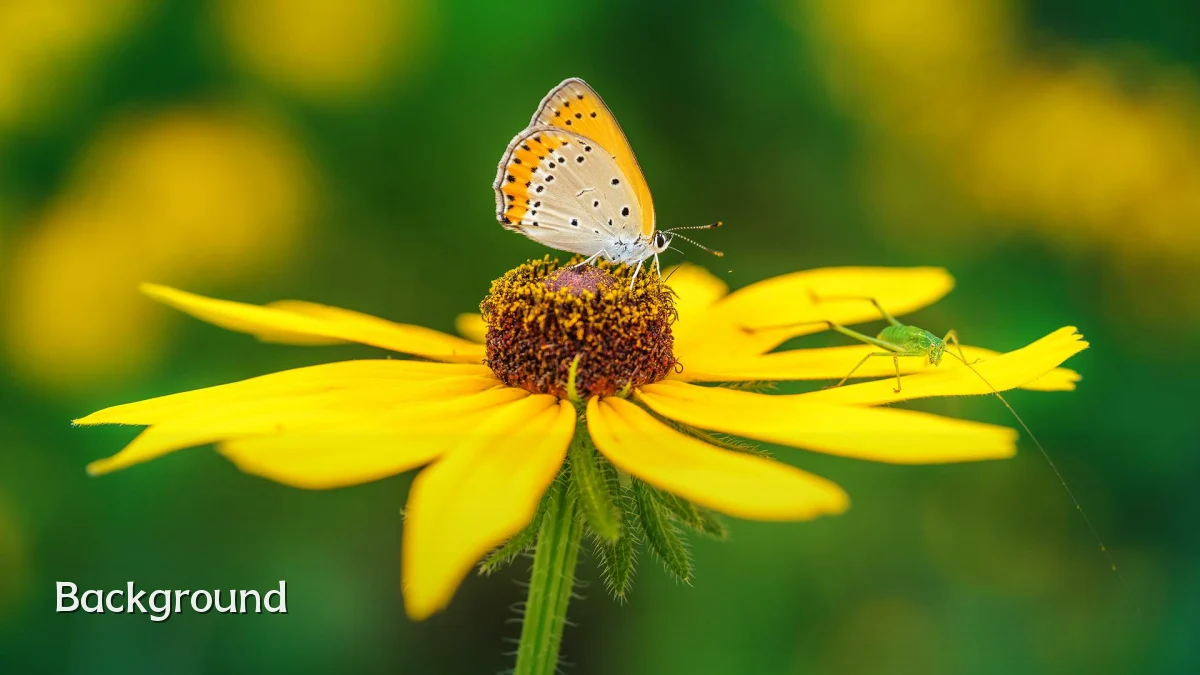
Monarch caterpillars feed exclusively on milkweed leaves, but not all species are equally preferred. Native species that have co-evolved with monarchs in a given region generally support better survival rates.
User Concerns When Selecting a Variety
Customers frequently weigh several practical factors before purchasing milkweed plants or seeds. The most common considerations include:
- Space and spread: Common milkweed can spread aggressively via rhizomes, while butterfly weed forms clumps and stays contained.
- Sun and moisture: Swamp milkweed tolerates wet soil; butterfly weed thrives in dry, sandy conditions. Full sun (6+ hours) is essential for most species.
- Regional suitability: A variety native to the eastern U.S. may struggle in arid western climates. Local native plant societies often provide species lists for specific counties.
- Pest and disease resistance: Some species are more susceptible to aphids or mildew. Good airflow and proper spacing reduce issues.
- Bloom time and aesthetics: Flower color ranges from orange (butterfly weed) to pink (swamp milkweed) to pale purple (common milkweed). Bloom windows vary from early summer to late summer, affecting pollinator visits.
“The most important step is to check what milkweed species are native to your ecoregion. A local extension office or native plant nursery can provide a shortlist.” — common advice from cooperative extension publications.
Likely Impact on Monarch Conservation and Garden Success
When customers select regionally appropriate milkweed varieties, the immediate impact is higher larval survival and more consistent monarch visitation. Over multiple seasons, well-chosen milkweed stands can become self-sustaining, reducing the need for replanting. Conversely, planting non-native tropical milkweed (Asclepias curassavica) in temperate zones may disrupt monarch migration timing and increase disease transmission (e.g., OE parasite). Many conservation groups now discourage tropical milkweed outside of southern frost-free regions.
From a garden maintenance standpoint, matching species to site conditions reduces water use and chemical inputs. Clump-forming varieties simplify bed management, while spreading types may require periodic division or perimeter barriers.
What to Watch Next
Several developments may influence how gardeners choose milkweed in coming years:
- Seed availability shifts: As demand grows, more seed companies are offering region-specific mixes. Watch for expanded inventories of little-used species like Arizona milkweed or purple milkweed.
- Data on monarch preferences: Ongoing citizen-science projects (e.g., Monarch Watch, Journey North) are refining which species monarchs actually use in different habitats. Updated regional guides may emerge.
- Local ordinances: Some municipalities are updating weed ordinances to distinguish native milkweed from managed invasives. Homeowners should verify local rules, especially in HOAs.
- Climate adaptation: With shifting hardiness zones, gardeners may need to trial species from slightly warmer adjacent regions. Experimental plantings by public gardens will provide guidance.
For now, the most reliable strategy remains: identify your growing zone and soil type, consult a local native plant list, and start with two or three well-matched varieties to observe performance before expanding.