Surprising Medicinal Benefits of Butterflyweed You Should Know

Recent Trends in Herbal and Native-Plant Medicine
Interest in butterflyweed (Asclepias tuberosa) has risen sharply alongside broader trends toward native-plant landscaping, pollinator conservation, and the revival of traditional herbal remedies. Home gardeners and herbalists increasingly seek out this bright orange milkweed relative not only for its ecological role but also for its lesser-known therapeutic applications. Online forums, regional herbal conferences, and native-plant nurseries report growing curiosity about how butterflyweed can be used safely for common ailments—though reliable, modern clinical data remain sparse.
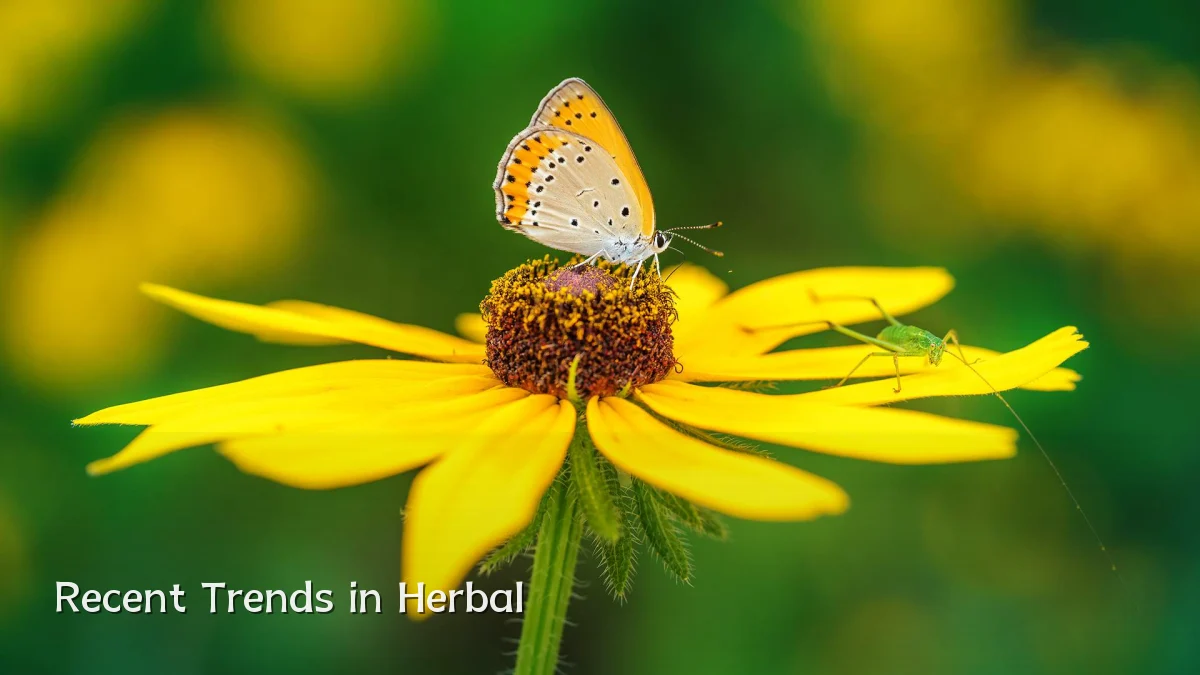
- Social media discussions and small-scale workshops now regularly cover butterflyweed as a "dual-purpose" plant: ornamental and medicinal.
- Several sustainable wildcrafting groups have updated their harvesting guidelines to promote responsible collection without harming monarch butterfly populations.
Background: Traditional and Historical Use
Butterflyweed has a long history of medicinal use among Indigenous peoples of North America and later European settlers. Unlike common milkweed, its roots and leaves contain less bitter latex, making it more suitable for internal preparations. Traditional applications included:

- Respiratory support: Decoctions or tinctures of the root were used for coughs, bronchitis, and pleurisy. The plant’s common herbal name, "pleurisy root," reflects this use.
- Digestive aid: Small doses of root tea helped ease indigestion, gas, and mild diarrhea.
- Topical use: Poultices of crushed leaves or root were applied to bruises, swellings, and slow-healing wounds to reduce inflammation.
Modern herbal references still list butterflyweed as having expectorant, antispasmodic, and mild diaphoretic properties, though dosage protocols vary widely.
User Concerns: Safety, Identification, and Dosage
Despite its potential benefits, butterflyweed poses several risks that users must carefully consider. Because it belongs to the milkweed family, the plant contains cardiac glycosides and other toxic compounds, especially if consumed raw or in large amounts.
- Misidentification hazard: Butterflyweed’s leaves resemble those of toxic look-alikes found in the same habitat, such as swamp milkweed or dogbane. Only a trained forager or herbalist should collect it from the wild.
- Dosing challenges: Standardized dosing guidelines are lacking. Most herbalists recommend starting with a very small amount—often a few drops of tincture or a weak tea—and monitoring for nausea or an irregular heartbeat.
- Contraindications: People with heart conditions, those on diuretics or cardiac medications, and pregnant or nursing individuals are generally advised to avoid butterflyweed internally.
These concerns underscore the importance of consulting a qualified herbalist or healthcare provider before any medicinal use.
Likely Impact on Gardening and Natural Medicine Communities
The growing awareness of butterflyweed’s medicinal attributes is likely to shape both horticulture and herbalism in the near term:
- Increased cultivation: More gardeners may seek to grow butterflyweed as a source of home medicine, reducing pressure on wild populations. Nurseries already report higher demand for native milkweed species.
- Responsible wildcrafting protocols: Conservation groups may update guidelines to limit harvesting to specific seasons and plant sizes, ensuring ecological balance for monarchs and other pollinators.
- Small-scale product development: A handful of small-batch herbal brands are exploring butterflyweed tinctures and salves, though regulatory barriers (FDA labeling rules, lack of GRAS status) limit mainstream commercialization.
What to Watch Next
As interest continues, several developments will shape butterflyweed’s role in modern herbal medicine:
- Phytochemical research: Preliminary studies on Asclepias tuberosa extracts suggest anti-inflammatory and antimicrobial activity. More rigorous clinical trials—if funded—would help confirm or refute traditional claims.
- Conservation versus medicine tension: Butterflyweed is a critical host plant for monarch butterfly larvae. Any surge in wild harvesting could threaten local populations. Watch for regional policies that restrict collection or promote certified nursery-grown sources.
- DIY safety education: Expect more free online resources and workshops focusing on correct identification, preparation methods (e.g., drying, tincturing, decocting), and contraindications. These may become standard content from reputable herbal schools.
- Integration into clinical herbalism: A few naturopathic and integrative medicine clinics are already documenting case reports on butterflyweed for respiratory conditions. If clinical guidelines emerge, they may professionalize its use.
Ultimately, butterflyweed’s medicinal benefits remain surprising largely because they have been overshadowed by its more famous role as a pollinator plant. As more people turn to native flora for health support, this dual legacy will demand careful stewardship and ongoing education.