The Complete Guide to Growing Butterflyweed: From Seed to Bloom

Recent Trends in Butterflyweed Cultivation
Butterflyweed (Asclepias tuberosa) has shifted from a niche wildflower to a staple in pollinator gardens and roadside restoration projects across the United States. Over the past several growing seasons, seed suppliers report a sustained surge in demand—largely tied to public awareness campaigns around monarch butterfly habitat loss. Home gardeners, conservation groups, and municipal planners now actively seek reliable propagation methods, driving interest in detailed growing guides that address both seed-starting and transplant care.
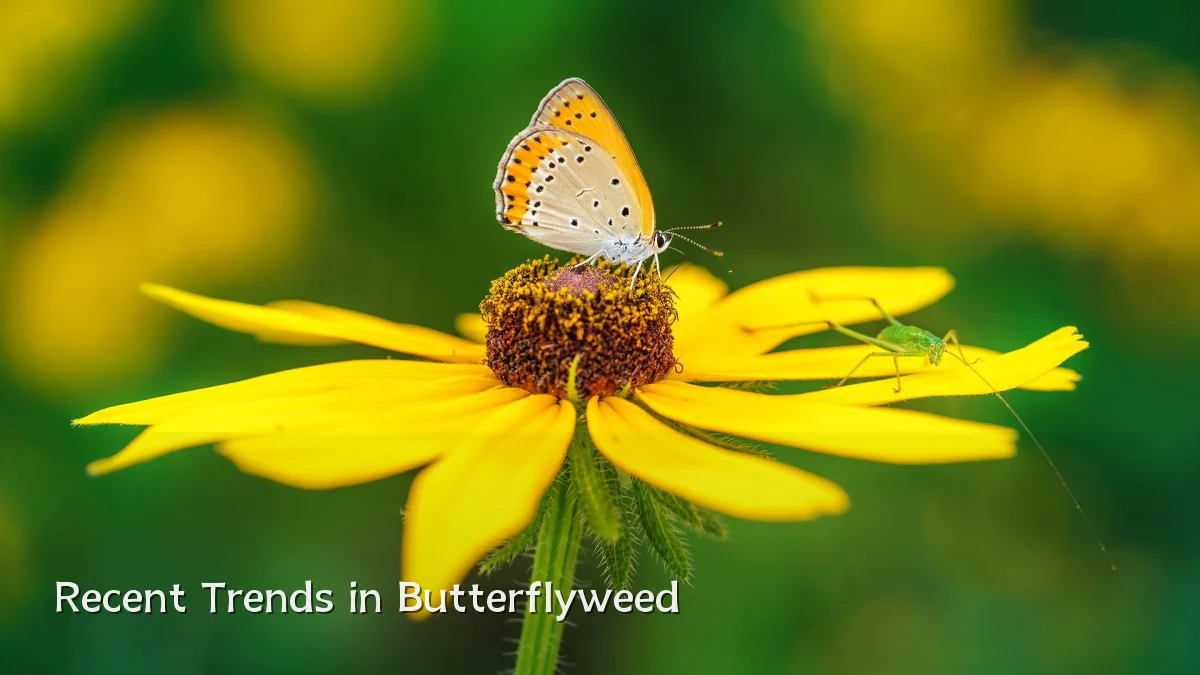
Key developments shaping current practices include:
- Increased availability of cold-stratified seed packs from regional native plant nurseries.
- Wider adoption of fall seeding to mimic natural dormancy cycles.
- Growing preference for container-grown starts over bare-root stock, especially in urban settings.
Background: Why Butterflyweed Matters
Butterflyweed is a member of the milkweed family and the only species in its genus that lacks the toxic, milky sap common to other Asclepias varieties. Its bright orange flower clusters bloom from late spring to midsummer, providing nectar for bees, butterflies, and hummingbirds. As a host plant for monarch caterpillars, it plays a critical role in the eastern monarch migration corridor.

Historically, butterflyweed thrived in prairies and open woodlands across the central and eastern United States. Habitat fragmentation, herbicide use, and competition from invasive species have reduced its natural range. Restoration initiatives now emphasize re-introducing locally adapted ecotypes, which has led to more nuanced guidance on seed sourcing and site preparation.
- Deep taproot: makes butterflyweed highly drought-tolerant but difficult to transplant once established.
- Seed dormancy: requires cold stratification (30–60 days at 33–38°F) for reliable germination.
- Slow establishment: plants often do not bloom until the second or third year after seeding.
User Concerns: Common Challenges and Misconceptions
Beginners frequently encounter confusion around seed treatment, soil preferences, and spacing. Several recurring concerns emerge from online forums and extension inquiries:
- Stratification timing: Many gardeners start stratification too late in spring, leading to low germination. Practical advice: begin cold treatment by late winter for spring sowing, or direct-sow in fall.
- Soil drainage: Butterflyweed fails in heavy clay or consistently wet sites. Loam or sandy soil with near-neutral pH is ideal; raised beds or slopes can compensate for suboptimal drainage.
- Seedling care indoors: Seedlings are prone to damping-off if overwatered. Use bottom heat (70–75°F) and a well-draining seed-starting mix, then harden off gradually.
- Confusion with other milkweeds: Unlike common or swamp milkweed, butterflyweed leaves are not toxic to livestock, but its roots are still bitter. Gardeners managing grazing areas need species-specific guidance.
Likely Impact on Gardening and Conservation
Wider adoption of butterflyweed cultivation is expected to yield several measurable outcomes over the next three to five years:
- Improved monarch breeding habitat: Even small garden patches can increase caterpillar survival rates, especially when paired with other late-season nectar sources.
- Reduced dependence on tropical milkweed: Butterflyweed does not harbor the protozoan parasite Ophryocystis elektroscirrha as readily, offering a healthier alternative in warm climates.
- Stronger local seed economies: Regional ecotype seed production is likely to expand, reducing demand for non-local genetics that may not survive local conditions.
Potential obstacles include continued reliance on ornamental cultivars that may lack nectar or foliage palatability, and regulatory challenges around seed collection on public lands. Education efforts need to emphasize that butterflyweed does not flower reliably in deep shade or highly compacted urban soils.
What to Watch Next
- Seed certification programs: Several states are piloting “ecotype verified” labels for butterflyweed seed lots. Adoption by major retailers could shift market standards within two growing seasons.
- Interspecies competition: In prairie restorations, butterflyweed can be outcompeted by aggressive grasses like switchgrass or big bluestem. Watch for new guidance on seed ratios and fire-return intervals.
- Climate zone shifts: As temperatures rise, southern populations may become less viable in their historic ranges, while northern limits expand. Updated USDA Plant Hardiness Zone maps may alter recommended sowing windows.
- Pollinator research: Ongoing studies on nectar chemistry and monarch egg-laying preferences may refine companion planting recommendations—such as pairing butterflyweed with goldenrod or asters for full-season support.
Gardeners and land managers should stay informed through local master gardener programs and state wildlife agencies, as no single guide can account for all microclimates and soil conditions. The most reliable approach remains small-scale trial plantings with regionally sourced seed, accompanied by careful observation of pest pressure and bloom timing.