Elevating Modern Gardens: The Versatile Beauty of Butterfly Weed
Recent Trends in Garden Design
Over the past few growing seasons, landscape architects and home gardeners alike have shifted toward native perennials that offer both ecological function and visual structure. Butterfly weed (Asclepias tuberosa) has emerged as a staple in this movement, prized for its bright orange-to-yellow flower clusters and its role as a larval host for monarch butterflies. Unlike traditional ornamental species that require high inputs of water and fertilizer, butterfly weed thrives in lean soils and full sun—qualities that align with the growing demand for low-maintenance, climate-resilient planting.

Designers now incorporate butterfly weed in mass plantings, mixed borders, and even container arrangements. Its upright habit and long bloom period (typically midsummer through early fall) provide consistent color without the need for staking or deadheading. The trend reflects a broader shift from formal, manicured beds to naturalistic, wildlife-friendly landscapes.
Background: From Roadside Wildflower to Cultivar Star
Native to most of the continental United States and parts of Canada, butterfly weed has long been a familiar sight in prairies, meadows, and roadsides. Its deep taproot makes it exceptionally drought-tolerant once established, and its bright flowers attract bees, hummingbirds, and butterflies. Historically, it was used by Indigenous peoples for medicinal purposes, but its modern garden presence was limited until the late 20th century.
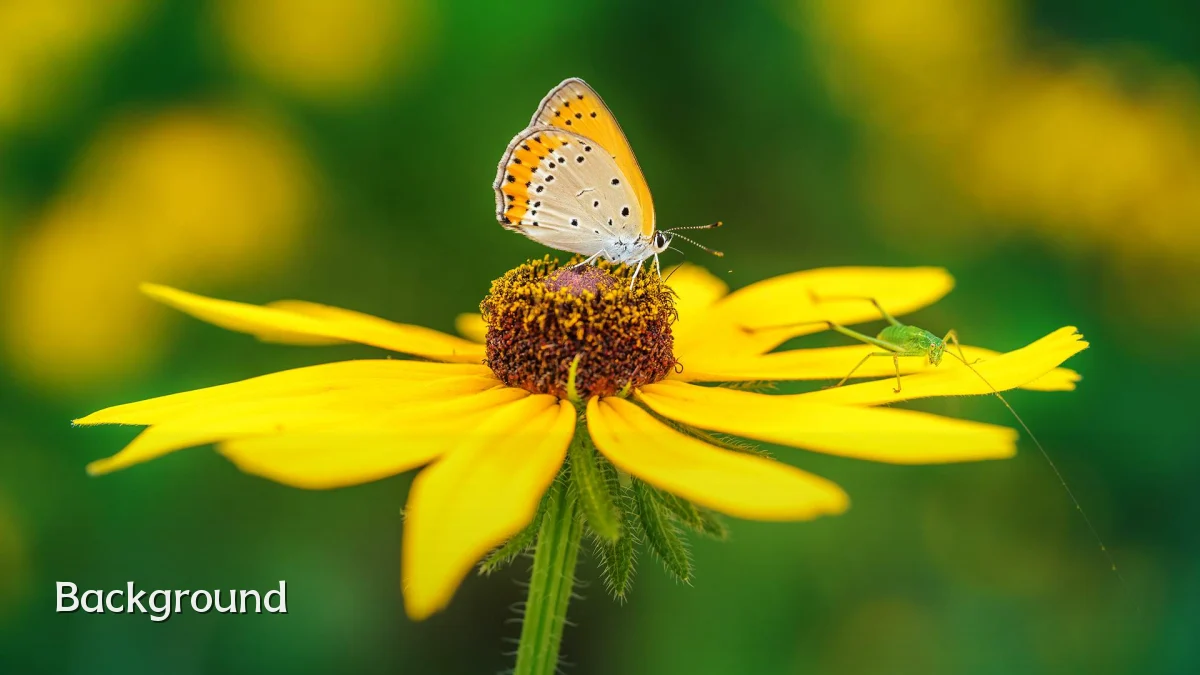
Breeding programs have since developed cultivars with improved compactness, flower color intensity, and disease resistance. Varieties such as ‘Hello Yellow’ and ‘Gay Butterflies’ offer color variations beyond the typical orange, expanding designer palettes. These cultivated forms retain the species’ ecological value while adapting to smaller urban spaces and more refined garden compositions.
User Concerns and Practical Considerations
Despite its increasing popularity, butterfly weed presents several practical challenges that gardeners and landscape managers must weigh:
- Establishment period: Seedlings can be slow to establish in the first year due to the deep taproot; some users report low germination rates or transplant shock. Starting with container-grown plants or direct-sowing in fall often yields better results.
- Soil preferences: Butterfly weed performs best in well-drained, sandy or loamy soils. Heavy clay or consistently wet conditions can lead to root rot. Amending beds with gravel or sand is a common workaround.
- Deer and pest resistance: While generally unpalatable to deer, the plant can attract oleander aphids and milkweed bugs. Most infestations are cosmetic and do not require chemical intervention, but some gardeners find the presence of these insects a nuisance.
- Aggressive self-seeding: In favorable conditions, butterfly weed can spread prolifically via windborne seeds. Deadheading flower heads before they set seed helps control spread but sacrifices potential late-season monarch habitat.
- Toxicity: Like all milkweeds, butterfly weed contains cardenolides that are toxic to pets and livestock if ingested in large quantities. Homeowners with grazing animals or curious pets should site plants out of reach.
Likely Impact on Modern Gardening Practices
The integration of butterfly weed into mainstream horticulture signals a broader acceptance of plants that serve multiple purposes—aesthetic, ecological, and educational. Municipal parks departments increasingly include it in pollinator corridors and rain gardens. Homeowner associations that once restricted “weedy” natives now recognize its tidy growth habit and vibrant color as an asset.
From a maintenance perspective, butterfly weed reduces reliance on irrigation and fertilizers, lowering long-term care costs for public green spaces. For residential settings, its combination of long bloom and self-reliance appeals to the growing demographic of time-pressed but environmentally aware gardeners. Cultivar development will likely continue to address user concerns—for example, breeders may focus on non-spreading forms or even greater disease resistance.
Potential challenges include overreliance on a single species for pollinator support, which could create monocultures. Diversifying with other milkweed species (e.g., swamp milkweed, common milkweed) and complementary natives remains advisable to ensure habitat resilience.
What to Watch Next
As this trend matures, several developments are worth monitoring:
- Regional adaptation trials: Public gardens and Cooperative Extension offices are evaluating newer cultivars across different climate zones; results will help refine planting recommendations for arid, humid, and coastal areas.
- Seed supply and availability: Demand for butterfly weed has outpaced supply in some regions, leading to higher prices for container plants. Seed propagation methods may improve to meet demand at lower cost.
- Integration with edibles and ornamental grasses: Designers are experimenting with contrasting textures—pairing butterfly weed with bluestem grasses, purple coneflower, or culinary herbs like lavender for a pollinator-friendly yet harvestable garden.
- Policy and incentives: Some municipalities now offer rebates or native-plant subsidies that include butterfly weed; expansion of such programs could accelerate adoption in new subdivisions and commercial landscapes.
While no single plant can solve broader environmental challenges, butterfly weed’s trajectory from wildflower to modern garden staple illustrates how native species can meet contemporary design and sustainability goals without sacrificing beauty. Its versatility ensures it will remain a topic of conversation among gardeners and designers for seasons to come.