The Complete Guide to Growing Butterflyweed: From Seed to Full Bloom

Recent Trends in Butterflyweed Cultivation
Over the past few growing seasons, home gardeners and restoration projects have shown increased interest in butterflyweed (Asclepias tuberosa) as a pollinator-friendly native perennial. Rising awareness of monarch butterfly habitat loss has driven demand for milkweed species, and butterflyweed’s drought tolerance and bright orange blooms make it a popular choice for meadow-style landscapes. Online seed exchanges and native plant sales report steady growth in requests for this species, often alongside guides on cold stratification and taproot care.
Background: What Is Butterflyweed?
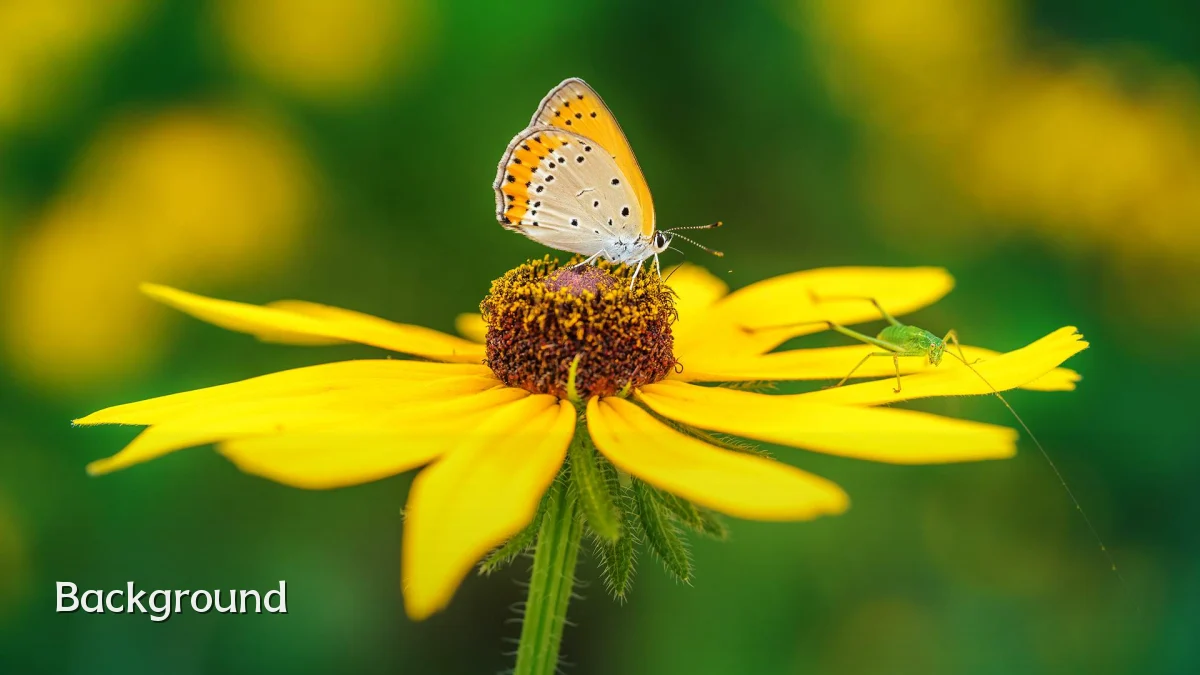
Butterflyweed is a herbaceous perennial native to much of eastern and central North America. Unlike common milkweed, it produces clear sap rather than milky latex and grows in dry, sandy, or well-drained soils. It is a crucial larval host for monarch butterflies and also attracts a wide range of adult pollinators. Key characteristics include:
- Deep taproot that makes transplanting difficult once established
- Bright orange to yellow flowers in dense clusters (June–August)
- Height of 1–2 feet, spreading slowly via seed rather than rhizomes
- Requires cold, moist stratification for reliable germination
User Concerns and Common Challenges
Growers frequently encounter a few predictable hurdles when attempting to cultivate butterflyweed from seed or nursery starts. Observations from online forums and extension service queries highlight:
- Seed germination inconsistency: Fresh seed needs 30–60 days of cold stratification, and even then germination rates can vary (typically 50–70%).
- Transplant shock: Established plants resent root disturbance; moving a mature butterflyweed often fails.
- Slow first-year growth: Seedlings focus energy on root development, so top growth appears minimal until the second season.
- Pest issues: Aphids and oleander aphids can colonize stems, though they rarely kill a healthy plant. Many gardeners tolerate them as part of the ecosystem.
- Soil moisture balance: Overwatering is more dangerous than drought; plants in heavy clay or constantly wet soil often rot.
Likely Impact on Local Ecosystems and Gardening Practices
Widespread adoption of butterflyweed in residential gardens and public green spaces is expected to have several measurable but incremental effects. Environmental planners and master gardener programs suggest:
- Modest support for monarch breeding populations in areas lacking other milkweed species.
- Reduced need for irrigation in xeriscaped or low-maintenance pollinator patches.
- Shift in garden design toward deeper soil preparation and direct-sowing methods.
- Greater awareness of native seed collection and stratification requirements.
What to Watch Next
Several developments could shape how butterflyweed is grown and managed in the coming years:
- Seed availability and pricing: Look for trends in regional native seed suppliers and possible certification programs for monarch-friendly seed sources.
- Climate adaptation studies: Research into how warmer winters affect stratification needs or bloom timing may alter recommended practices.
- Pest management alternatives: Observations on whether native beneficial insects can keep aphid populations in check without intervention.
- Community science efforts: Monarch larva monitoring programs that help quantify the actual host plant contributions of backyard plantings.