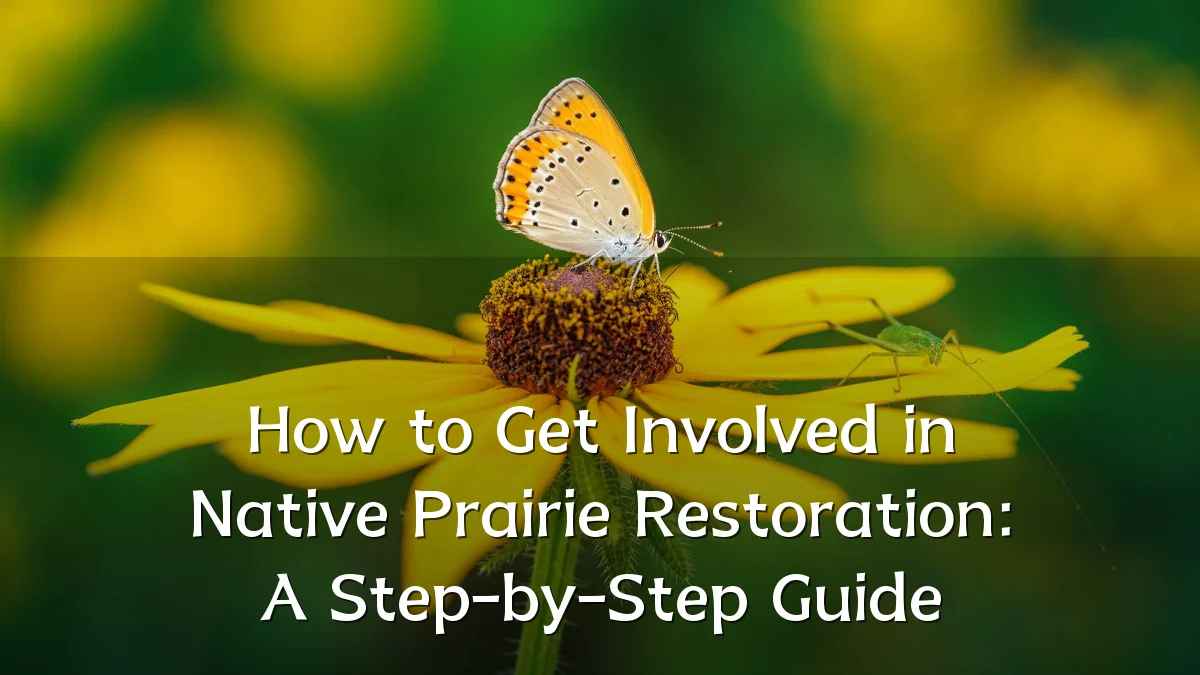
How to Get Involved in Native Prairie Restoration: A Step-by-Step Guide
Recent Trends in Native Prairie Restoration
Across the Great Plains and beyond, interest in restoring native prairie has surged. Landowners, conservation groups, and municipalities are increasingly turning to prairie restoration for ecological and economic benefits. Key developments include:
- Growing demand for locally adapted seed mixes, leading to regional seed cooperatives and community-based collection efforts.
- Expansion of cost-share programs through federal and state agencies, covering a portion of establishment expenses.
- Rise of prescribed burn associations that help private landowners manage invasive species and stimulate native plant regrowth.
- Increased use of drones and satellite imagery to monitor restoration progress and identify weed outbreaks early.
Background: Why Native Prairies Matter
Native prairies once covered hundreds of millions of acres in North America. Conversion to agriculture, urban development, and fire suppression have reduced them to less than 4% of their historical extent. These ecosystems provide critical services:

- Deep-rooted grasses and forbs sequester carbon at rates comparable to forests.
- They support pollinators, grassland birds, and soil health that row-crop monocultures cannot.
- Natural water infiltration reduces runoff and improves groundwater recharge.
Restoration attempts to recreate these functions using native species appropriate to the local soil and climate.
Common User Concerns and Practical Considerations
Individuals and groups interested in getting involved often face similar questions. Below are typical worries and straightforward guidance:
| Concern | Typical Solution or Alternative |
|---|---|
| High upfront cost of seed and site preparation | Start with a small demonstration plot (1–5 acres). Apply for cost-share funding from the Natural Resources Conservation Service or state wildlife agencies. |
| Lack of expertise in species identification and weed control | Attend local workshops offered by extension services or prairie restoration nonprofits. Partner with an experienced mentor or a master naturalist. |
| Time commitment for establishment (2–5 years of intensive management) | Plan for a minimum of three growing seasons. Use annual mowing and spot herbicide application rather than broad-scale spraying. |
| Uncertainty about long-term maintenance | Join or form a stewardship team. Rotate tasks among volunteers and document management actions for continuity. |
Likely Impact of Growing Restoration Efforts
If current momentum continues, several medium-term outcomes are plausible:
- Biodiversity gains: Reconnected prairie fragments can support declining species such as monarch butterflies, bobolinks, and native bumblebees.
- Carbon storage: Well-managed restored prairies accumulate soil organic matter for decades, contributing to climate mitigation.
- Water quality improvements: Filter strips of native grass along waterways reduce sediment and nutrient loading in streams and reservoirs.
- Economic diversification: Native seed production, prescribed burning services, and ecotourism can create local jobs.
These benefits depend on the scale and quality of restoration. Small, isolated patches have limited value compared to large, connected landscapes undergoing thoughtful management.
What to Watch Next
Observers tracking the native prairie restoration movement should monitor several factors:
- Policy developments: State-level conservation tax credits and federal farm bill conservation title negotiations could shift funding availability.
- Seed supply innovations: Mechanical seed harvesting from remnant prairies and local wild-collection networks may reduce costs and improve genetic diversity.
- Technology adoption: Low-cost sensors, AI-powered weed detection, and drone seeding could lower barriers for small landowners.
- Community engagement models: The success of “prairie neighbor” programs that match volunteers with landowners will influence replication in other regions.
Staying informed through regional prairie conferences, extension newsletters, and conservation district meetings remains the best way to anticipate changes and find entry points for involvement.