Fun Ways to Explore a Native Prairie with Your Kids

Recent Trends in Family Prairie Visits
Over the past few seasons, more families have shifted from structured playground outings to immersive nature experiences. Native prairie preserves, often managed by local conservation districts or parks departments, have reported a steady rise in younger visitors. Parents cite a desire for screen-free, hands-on learning opportunities that cost little and require no special gear. Summer and early fall remain the peak window for prairie exploration, when wildflowers bloom and insects are most active.
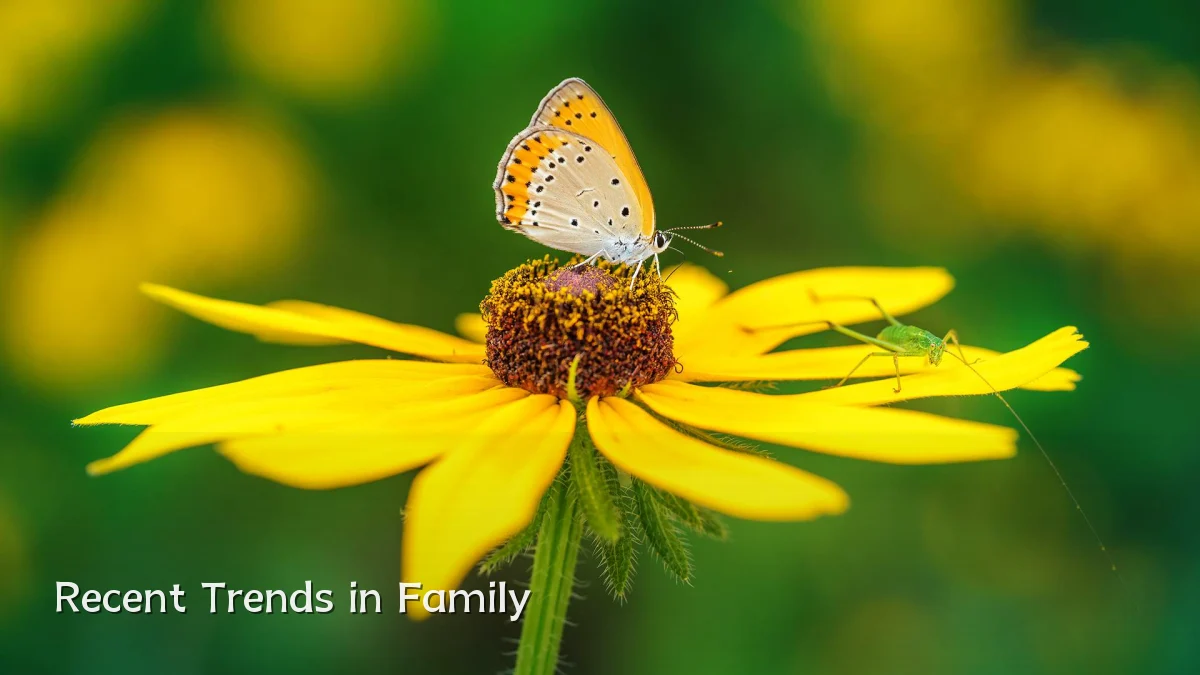
- Guided “prairie walks” for families have multiplied at state and county nature centers.
- Educational materials now emphasize low-impact engagement—look, listen, sketch, and photograph rather than pick or disturb.
- Pop-up citizen science events (e.g., butterfly counts, seed collection) draw repeat visitors.
Background: What a Native Prairie Offers Families
A native prairie is a grassland ecosystem dominated by deep-rooted perennial plants originally found in North America’s tallgrass, mixed-grass, or shortgrass regions. Unlike manicured lawns, a prairie supports hundreds of interdependent species. For children, these open landscapes provide a contrast to forest or shoreline environments. The lack of dense canopy means clear sightlines, making it easier for adults to supervise while kids explore.

| Feature | Typical Benefit for Kids |
|---|---|
| Tall grasses and wildflowers | Natural “hide-and-seek” texture; sensory variety |
| Insects (butterflies, bees, grasshoppers) | Observation and gentle catch-and-release practice |
| Seasonal changes | Repeated visits reveal new blooms, seed heads, and birds |
| Trails of mown grass | Easy navigation for small legs; strollers with wide wheels can manage |
User Concerns: Safety, Preparation, and Appropriateness
Parents new to prairie exploration often worry about ticks, sun exposure, and whether young children will stay engaged. Practical planning reduces most risks. For ticks, sticking to mown trails and doing a quick check afterward is sufficient in most areas. Sun protection—hats, long sleeves, sunscreen—is essential because prairie shade can be scarce. Regarding boredom, mixing short activities (looking for animal signs, counting flower colors, listening for bird calls) holds attention spans longer than a simple walk.
- Footwear: Closed-toe shoes (sturdy sneakers or boots) protect against sharp grass stems and uneven ground.
- Hydration: Carry water; public restrooms are often not available at prairie preserves.
- Time of day: Early morning or late afternoon avoids heat extremes and brings out wildlife.
Likely Impact: How Prairie Exploration Shapes Family Habits
Regular low-stakes visits to native prairie areas can shift children’s perception of “wild” spaces from scary or boring to familiar and exciting. Parents report increased curiosity about plant and insect life, often leading to follow-up reading or backyard mini-prairie projects. Conservation-minded organizations see this interest as a long-term benefit: families who feel comfortable in native habitats are more likely to support preservation efforts. The trend also encourages park planners to add educational signage and family-oriented programming in prairie zones rather than reserving them solely for high-school field trips.
What to Watch Next
Over the next year, monitor local park and nature-center calendars for new “family prairie weekend” or “prairie storytime” events. Some preserves are experimenting with downloadable audio trails narrated for children, reducing the need for printed brochures. Another development is the rise of “prairie kindergarten” programs—outdoor preschools built on grassland sites—though availability remains limited to a few regions. Finally, watch for expanded volunteer opportunities that allow families to participate in seasonal prairie restoration (seed collecting, small-scale planting) as a hands-on way to deepen connection without disrupting the ecosystem.