How to Design a Modern Native Prairie Garden in Your Backyard

A growing number of homeowners are rethinking the traditional turf lawn in favor of landscapes that serve both aesthetic and ecological purposes. The modern native prairie garden represents a deliberate middle ground—offering the visual structure of a designed garden while relying on regionally appropriate, deep-rooted plants that once covered vast stretches of the continent.
Recent Trends
Several converging factors are driving interest in native prairie gardens. Climate concerns and periodic drought have pushed property owners toward plants that need less supplemental water. At the same time, public awareness of pollinator decline has made habitat value a central criterion for garden planning. Designers and seed producers have responded with curated plant palettes that provide predictable bloom sequences and controlled heights, addressing earlier complaints that native plantings looked unkempt.
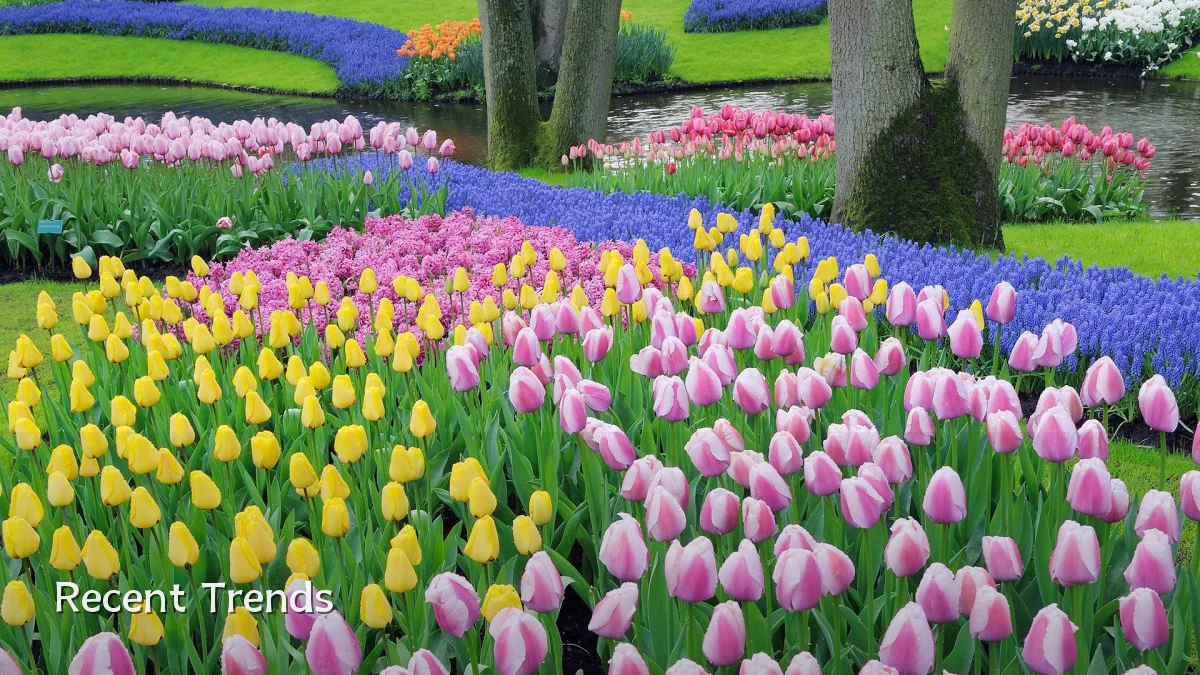
- Aesthetic shifts: Landscape architects now combine prairie grasses with structured hardscaping and deciduous accents to create year-round interest.
- Seed and plug availability: Regional nurseries increasingly offer pre-mixed seed blends tailored to specific soil types and sun exposures.
- Local ordinances: Several municipalities have updated weed and lawn-height bylaws to accommodate native plantings, though rules vary by jurisdiction.
Background
North America's tallgrass and shortgrass prairies once covered hundreds of millions of acres, sustained by fire and grazing. European settlement brought systematic conversion to row crops and cool-season turf grasses, fragmenting a complex ecosystem that relied on deep root systems and seasonal dormancy. Early restoration projects in the mid-20th century focused on large-scale preserves, but the principles have gradually filtered down to residential scale. What was once a niche pursuit—recreating prairie in a backyard—has become a documented movement among homeowners seeking resilient, low-input landscapes.
User Concerns
Homeowners considering a native prairie conversion typically weigh several practical and social factors before committing to a redesign.
- Establishment timeline: Many native perennials take two to three years to mature, with the first season dominated by annuals and quick-germinating grasses. Patience is frequently cited as the single biggest hurdle.
- Neighbor perception: Visible dormancy in winter and early spring can resemble neglect. A clear border—such as a mowed edge, low fence, or stone pathway—helps signal intentional design.
- Ongoing maintenance: Unlike a traditional perennial border, a prairie garden benefits from a once-per-year mowing or prescribed burn (where permitted) to prevent woody encroachment and reset growth.
- Plant sourcing: Retail inventory for true native species varies by region, and mislabeled or hybrid plants can reduce ecological function. Verifying with local native plant societies remains a reliable step.
- Upfront cost: Plugs and seed blends for a diverse prairie mix can cost more per square foot than sod or standard mulch beds, though reduced long-term watering and fertilizing often offset the initial outlay.
Likely Impact
When properly installed and managed, a modern native prairie garden can yield measurable effects beyond the property line. Root systems of native grasses and forbs can extend several feet into the soil, improving infiltration and reducing stormwater runoff compared to compacted turf. These gardens also provide nectar and host resources for local insects and birds, and may support species that have lost habitat in surrounding subdivisions. On a broader scale, clustered prairie plantings across a neighborhood can create corridors that improve wildlife movement. Some homeowners report reduced water bills by roughly 30 to 50 percent after replacing cool-season lawns, though actual savings depend on regional rainfall and irrigation practices.
What to Watch Next
The native prairie garden movement is still evolving, and several developments could shape its adoption in the near term.
- Expanded seed markets: A handful of regional producers are testing low-growing prairie mixes designed for front yards, aiming to keep peak height under three feet while retaining ecological diversity.
- HOA policy changes: As more residents seek alternatives to turf, homeowners associations are beginning to adopt language that allows native plantings with measurable maintenance standards rather than blanket prohibitions.
- Urban demonstration sites: Public parks and municipal buildings are increasingly used to model modern prairie design, giving residents a chance to see seasonal changes before committing to their own installation.
- DIY design tools: Online planning apps and regional plant databases are improving, helping users select compatible species for specific sun, soil, and moisture conditions without professional consultation.
- Fire adaptation: Where local codes permit controlled burns, a small but growing number of practitioners are integrating low-intensity fire into their management routine—a practice that may gain wider acceptance as municipalities study its wildfire mitigation potential in the wildland-urban interface.