Rare Prairie Plants Every Enthusiast Should Know
Recent Trends in Prairie Plant Collecting
Over the past several growing seasons, interest in native prairie species has surged among horticulturists and conservation-minded gardeners. Social media groups and regional plant exchanges report increased demand for uncommon forbs and grasses, particularly those with showy blooms or unique ecological roles. Seed vendors note that rare species such as the prairie fringed orchid and Mead’s milkweed are among the most sought-after, often selling out within days of listing.

Several botanical gardens have launched dedicated prairie conservation plots, while local native plant societies have seen membership grow by notable percentages year over year. This enthusiasm reflects a broader shift toward low-maintenance, drought-tolerant landscaping that supports pollinators.
Background: The Allure of Rare Prairies Plants
Prairie ecosystems once covered vast tracts of North America’s interior, but land conversion has reduced them to fragmented remnants. Rare species that evolved in these specialized habitats now face limited natural ranges and specialized germination requirements. Enthusiasts value them not only for their scarcity but for their resilience: deep-rooted plants like compass plant and purple prairie clover can survive extreme weather once established.
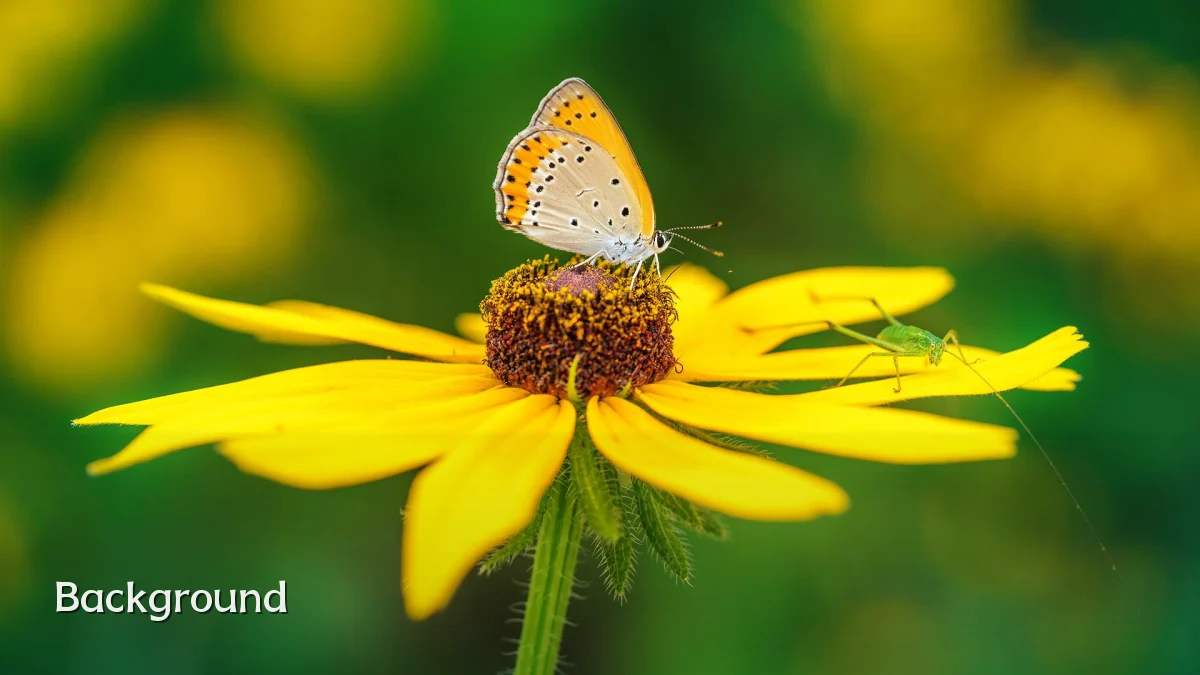
Typical rare prairie plants include:
- Prairie fringed orchid (Platanthera leucophaea): A tall orchid with fringed white flowers that requires specific soil moisture and host mycorrhizae.
- Mead’s milkweed (Asclepias meadii): A threatened milkweed found in mesic prairies, critical for monarch butterflies.
- Purple prairie clover (Dalea purpurea): Legume with dense purple flower heads that fix nitrogen.
- Compass plant (Silphium laciniatum): Produces tall sunflower-like heads and a taproot that can reach 15 feet.
- Prairie smoke (Geum triflorum): A low-growing plant with nodding pink flowers and wispy seed heads.
User Concerns: Collection, Ethics, and Cultivation
Many enthusiasts worry about ethical sourcing. Wild collection of rare prairie plants is illegal in several states and can further endanger fragile populations. Reputable nurseries propagate from seed or tissue culture, but supply is limited. Seed viability varies widely—some species require cold stratification for 60 to 90 days, and germination rates can range from 20% to 90% depending on conditions.
Additional concerns include:
- Site suitability: Rare prairie plants often demand full sun, lean soil, and seasonal moisture—mismatches lead to failure.
- Invasive competition: Weedy grasses and non-native forbs can quickly overwhelm small prairie patches.
- Legal restrictions: Transporting rare plants across state lines may require permits under the Endangered Species Act or equivalent state laws.
- Long-term commitment: Many species take two to four years to flower, testing patience.
Likely Impact on Prairie Conservation and Gardening
If managed responsibly, the enthusiasm for rare prairie plants could support conservation through seed banking, habitat restoration, and public education. Gardeners who successfully grow these species often become advocates for preserving remnant prairies. Some regional seed exchanges have reported an uptick in donations of rare plant seeds, which helps maintain genetic diversity.
On the other hand, increased demand risks overharvesting from wild sources if legal frameworks and nursery propagation cannot keep pace. The recent rise in online sales of “wild-collected” plants is a red flag. Land managers and botanical institutions are responding by offering workshops on ethical sourcing and cultivation techniques.
What to Watch Next
In the coming years, watch for these developments:
- Nursery capacity scaling: Observing whether more specialty growers can reliably propagate rare prairie plants to meet demand without depleting wild stocks.
- Seed bank expansions: Many regional seed banks are prioritizing rare prairie species; tracking their success rates and distribution policies.
- Policy updates: Potential tightening of collection permits or inclusion of more prairie plants on state threatened lists.
- Community-led restoration: Whether local groups establish small prairie patches in parks or along roadways, serving as refuges for these species.
- Climate adaptation research: Studies on how rare prairie plants respond to altered rainfall patterns and warmer temperatures, informing future selection.
For now, the best advice for enthusiasts remains: source ethically, mimic the native habitat as closely as possible, and be patient. The reward—a glimpse of a vanishing ecosystem in your own landscape—is worth the effort.